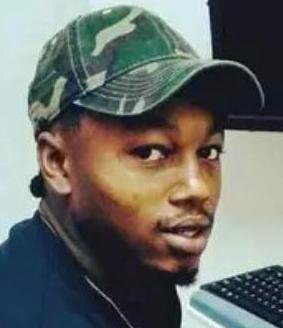
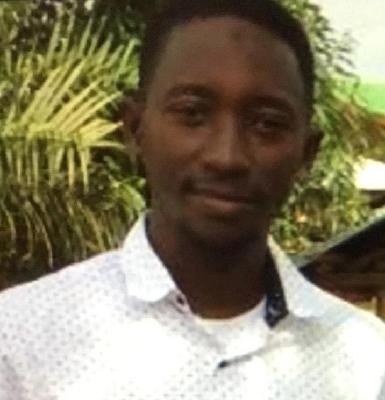
Terrance Bishop, a 23-year-old Black man from Brooklyn, was killed on February 25, 2016, in the corridors of a public housing building at the Unity Plaza Houses on Blake Avenue. Evening was settling over the neighborhood when the emergency call went out, pulling police and medics toward the familiar geometry of brick, stairwells, and long interior hallways that can feel strangely quiet even when the city outside is loud.
Officers arrived at about 5 p.m.
and, on the first floor, found Bishop lying in a hallway, unconscious and unresponsive, wounded by a gunshot to the neck. Paramedics rushed him to Brookdale Hospital, but he did not survive. Police said he lived in the same building, in a second-floor apartment, turning the scene from a random address into something more personal: a place he had come through before, a place that should have felt like the last stretch home.
In the hours that followed, the case unfolded in the way so many hallway shootings do in public view: with urgency at the scene, then a narrowing into unanswered questions once the doors close and the tape comes down. Public reporting at the time did not name any suspect or describe a motive, and police said no arrest had been made.
No later, widely available public updates tied to this killing were identified in the same reporting stream that first detailed his death, leaving the story suspended on what was known that night: where he was found, how quickly help arrived, and how little else could be confirmed beyond the fact that someone fired a shot in that building and walked away without being publicly identified or charged.