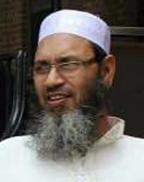
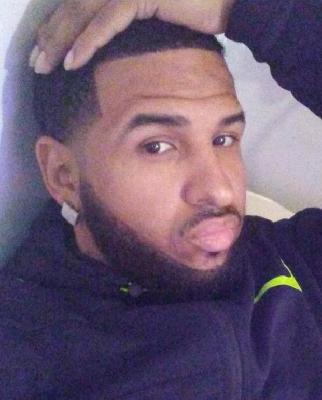
On a summer afternoon in Queens, New York, Imam Maulama Akonjee, a 55-year-old male of Bangladeshi descent, was walking home after leading prayers at the Al-Furqan Jame Masjid. It was August 13, 2016, and he was accompanied by his friend and assistant, 64-year-old Thara Uddin. The two men, dressed in religious attire, were well-known and respected figures in their close-knit Ozone Park community.
As they walked, a lone gunman approached them from behind and, without a word, shot both men in the head in a brazen, execution-style attack. The shooter then calmly fled the scene. The victims were rushed to a nearby hospital, but their injuries were fatal.
The seemingly unprovoked killings sent shockwaves of fear and grief through the city's Muslim community, with many immediately suspecting the attack was a hate crime. The New York Police Department launched an intensive investigation. A crucial lead came from surveillance footage showing a dark SUV fleeing the scene. Just ten minutes after the shooting, a vehicle matching that description was involved in a hit-and-run with a bicyclist a few miles away. This connection led police to the driver, a 35-year-old man from Brooklyn named Oscar Morel.
Morel was arrested the day after the shootings. A search of his home uncovered a. 38-caliber revolver hidden in a wall, which ballistics experts later confirmed was the weapon used in the murders. Investigators also found clothing that matched what the gunman was seen wearing in surveillance videos. Morel was charged with the killings, and though many in the community believed the motive was anti-Muslim hatred, prosecutors stated that the exact reason for the attack remained unclear.
The case proceeded to trial, where prosecutors presented the evidence linking Morel to the 'cold-blooded premeditated assassination.' Despite Morel's denial of any involvement, a state supreme court jury convicted him in March 2018. The verdict came after a nearly three-week-long trial and about a day of deliberation. Morel was found guilty of one count of first-degree murder, two counts of second-degree murder, and criminal possession of a weapon. Subsequently, he was sentenced to life in prison without the possibility of parole, bringing a measure of closure to the grieving families and a community shaken by the senseless violence.