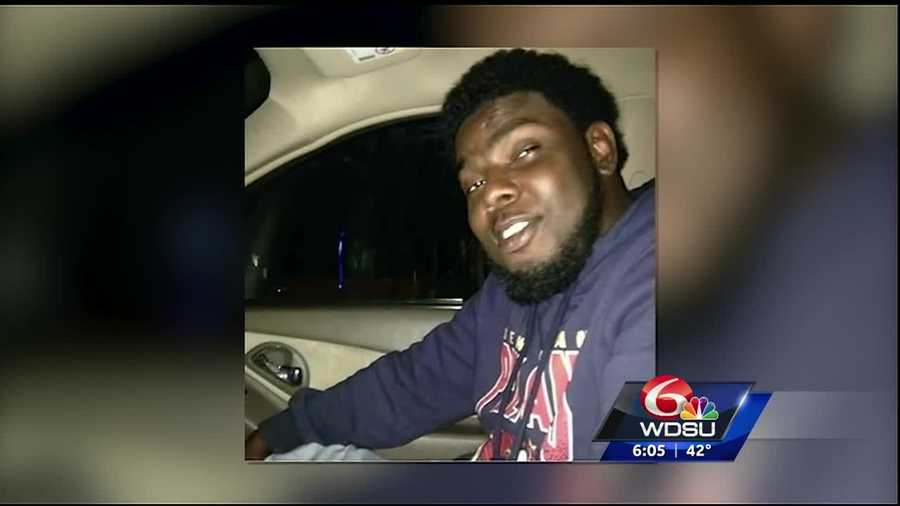
Herbert Chatt was 74 years old when he died on July 24, 2016, in New Orleans, Louisiana. He was a Black man, and the simple facts of his identity and age only hint at the full weight of what his absence would have meant to the people who loved him and the community that knew him.
New Orleans is a city where names are carried in voices, where stories get repeated at kitchen tables and on porches, where grief is not only felt but shared.
In that kind of place, a death is never just an entry on a date. It becomes a pause in the rhythm of everyday life, the kind of pause that makes family members look at an empty chair a little longer than usual, the kind that makes friends scroll through old memories and realize how much of their own life is stitched together with someone else’s presence. When someone like Herbert is gone, it is not only his life that ends on that day—it is also the future moments people expected to have with him: the next conversation, the next laugh, the next time someone would have heard his name and smiled before they even saw his face.
What is known here is limited to the information provided: his name, the city he was from, and the date he died. And sometimes that is how loss arrives to the rest of the world—quietly, without the full biography attached, without the details that explain the shape of a person’s days. But even with only those pieces, it is still possible to recognize the human truth beneath them. A person who lived long enough to reach 74 has moved through decades of change, seasons of hardship and relief, and countless ordinary moments that, in hindsight, become precious. He would have been someone’s neighbor, someone’s friend, someone’s family—someone whose voice had a particular sound, whose habits and expressions were familiar enough that others could imitate them with affection.
There is no information provided here about any arrests, suspects, or investigations connected to his death, and without verified details, it would be wrong to invent them. If there were questions surrounding what happened, those questions remain outside what has been shared. What remains, instead, is the certainty that a death like this lands heavily—especially in a city as tight-knit and deeply rooted as New Orleans—where people tend to remember not only that someone is gone, but how they made others feel while they were here.
July 24, 2016, marks the day the story stopped being written in the present tense. For those who cared about Herbert, that date would have become a line they could not cross without feeling it again. The grief would have arrived in waves: first the shock, then the numbness, then the slow realization that the world continues to move even when the heart wants it to stand still. And later, in quieter moments, the remembering—because remembering is what love becomes when someone is no longer physically present. A name gets spoken, a story gets told, and for a moment, the person returns in the way only memory can bring them back: not as a headline, not as a statistic, but as someone real.