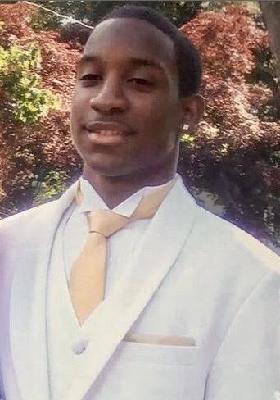
In the quiet early morning hours of June 18, 2017, a tragedy unfolded in West Babylon, New York, forever altering the lives of a local family. Anthony St. Hilaire, a 22-year-old man, was found with a gunshot wound inside his car on a residential street. The vehicle had crashed into a parked car on Merritt Street shortly before 1:30 a.m., and when authorities arrived at the scene, they discovered the young man mortally wounded. He was rushed to a nearby hospital, but despite medical efforts, he was pronounced dead. The incident was quickly determined to be a homicide, launching an intensive investigation by Suffolk County Police.
The investigation into the shooting revealed a complex and ultimately tragic story of a dispute that escalated to fatal violence. Detectives learned that St. Hilaire had been involved in an altercation with another man earlier that evening. This confrontation allegedly stemmed from an ongoing issue between the two individuals. The trail of evidence and witness accounts eventually led authorities to identify a suspect in the killing. The community was left on edge as police worked to piece together the events that led to the young man's untimely death, seeking justice for a life cut short.
Several months after the fatal shooting, a significant breakthrough occurred in the case. In November 2017, U.S. Marshals, in collaboration with Suffolk County detectives, located and arrested Bryan Rosales-Mejia in the town of Hempstead. He was charged with second-degree murder in connection with the death of Anthony St. Hilaire. The arrest brought a sense of relief to the community and the victim's grieving family, marking a crucial step toward accountability.
The legal proceedings that followed painted a clearer picture of the crime. Prosecutors presented evidence that Rosales-Mejia, who was 20 years old at the time of the incident, had shot St. Hilaire as he sat in his car. In 2019, a jury found Bryan Rosales-Mejia guilty of second-degree murder. He was subsequently sentenced to a lengthy prison term, with the judge handing down a sentence of 25 years to life. The conviction provided a measure of closure for the family of Anthony St. Hilaire, though the profound loss of a young life continues to be felt by those who knew and loved him.