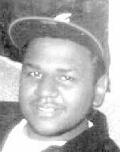
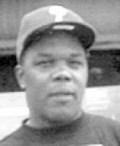
Darrell Eau was a 56-year-old Black man from New Orleans, Louisiana, whose life ended on July 30, 2016. Even when only the bare facts are known, a death like this leaves a heavy silence behind it, the kind that settles into a neighborhood and into the hearts of the people who cared about him. A date on a page can never capture the ordinary moments that came before it—the routines, the relationships, the plans for the next day—but it marks the point where everything changes for the people
left standing in the aftermath.
He was someone who belonged to a place, to streets that had their own rhythms and familiar faces, to a city that carries both celebration and sorrow in equal measure. New Orleans is a hometown in the truest sense—woven from family ties, neighbors who notice when something is off, and communities where a loss doesn’t stay private for long. When a life is taken there, it doesn’t just vanish; it echoes. It turns into a phone call that no one wants to make, a knock at a door that makes time slow down, a wave of disbelief that keeps returning long after the first shock fades.
What remains most painful is the incompleteness. A death is not only an ending but a question, and without clear answers, grief has nowhere to settle. The facts you’ve provided do not include details about suspects, arrests, or any later developments, and that absence carries its own weight—because uncertainty can be as haunting as the loss itself. Families and friends are left holding memories in one hand and unanswered questions in the other, trying to make sense of how someone can be here one day and gone the next.
And yet, even in the shadows of what isn’t known, the truth of what is known still matters: Darrell Eau lived, and his death mattered. A person is never only the final headline or the final date; he was someone’s friend, someone’s relative, someone who occupied a real space in the lives around him. The impact of losing him would have rippled outward—through the people who expected to see him again, through familiar corners of the city that now feel different, through the quiet moments when his absence is felt most sharply.
A heartfelt synopsis can’t restore what was taken, but it can insist on one thing: that he was more than the circumstances of his death. He was a man from New Orleans who should have had more time. Whatever happened that day, whatever truths were discovered or never fully brought to light, the loss itself remains undeniable—an emptiness that those who loved him would carry forward, stitched into their days, remembered in stories, and felt in the spaces where his voice and presence once belonged.