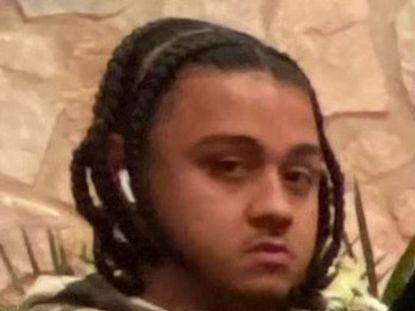
Jayquan Lewis, a 21-year-old Black man from the Bronx, was killed on August 13, 2021, in what should have been one of the most ordinary moments of a day. That afternoon, he went into B.H. Gourmet Deli on Bainbridge Avenue in Fordham Manor, a neighborhood store that should have offered nothing more dramatic than a quick stop and a walk back outside. Instead, according to police and local reporting, gunfire erupted inside the deli just after 4 p.m.
By the time officers arrived, Lewis had been struck multiple times and was found unconscious and unresponsive on the floor. He was rushed to the hospital, but his wounds were too severe, and he was pronounced dead. The violence was sudden, intimate, and merciless, the kind that leaves behind not only a crime scene, but a permanent wound in the lives of everyone who knew the person lost.
In the public telling of his death, there is a painful contrast that hangs over the case. Lewis was remembered not just as another name in a police report, but as a young man with ambition and a future that had not yet had the chance to unfold. Reporting after the shooting noted that he had worked as an extra on Law & Order and had dreams that reached beyond the few blocks where he spent his final moments. That detail makes the story feel even heavier. It turns the scene from a grim headline into something achingly human: a young man trying to build a life, stepping into a deli in his own borough, never knowing that within moments his story would be reduced to sirens, shell casings, and the grief of those left behind. Accounts of the shooting suggested that investigators believed the attack may have been targeted, deepening the sense that this was not random chaos, but a deliberate act that followed him right into a neighborhood business in broad daylight.
The aftermath offered the kind of dread that so often follows killings like this in New York neighborhoods: fear, questions, and the awful repetition of surveillance footage and witness recollections. News coverage described a community trying to absorb how such violence could happen in such a familiar place. The deli was not some isolated corner hidden from public view; it was part of daily life. That is part of what made the killing resonate so deeply. A place where people buy drinks, food, and small necessities became the setting for a final, brutal ambush. In that way, the death of Jayquan Lewis was not only the loss of one young man, but also a theft of normalcy from the people around him, a reminder that everyday spaces can be transformed into scenes of irreversible tragedy in a matter of seconds.
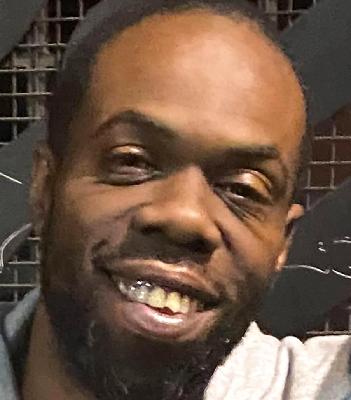
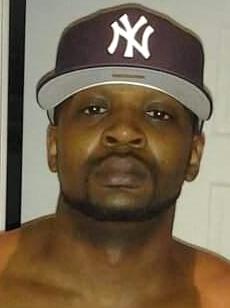
As the investigation moved forward, police publicly identified Kemel Smith, 31, as a suspect in Lewis’s killing. That was one of the clearest developments to emerge in the public record after the shooting. Yet even that disclosure came with the unresolved weight that so many families are forced to carry: when Smith was identified, reports stated that no arrest had been made and that the investigation remained ongoing. In the public sources available, there was no clearly verified later announcement from law enforcement or prosecutors confirming an arrest, indictment, trial, conviction, or sentencing in connection with Jayquan Lewis’s death. That absence leaves the case suspended in a painful space, with a named suspect but no widely documented public conclusion that would suggest the story reached a courtroom ending. For the people who loved Lewis, that kind of uncertainty can become its own kind of torment, because grief is hard enough on its own, and even harder when justice appears incomplete or out of reach.
What remains, then, is the story of a young Bronx man whose life ended inside a corner deli on a summer afternoon, a life remembered through fragments in the news and through the stark details police released afterward. The public record captures the mechanics of the killing, the address, the time, the gunfire, the hospital trip that ended in death. But behind those facts is something far more devastating: a 21-year-old who entered a local store and never came back out alive, leaving relatives, friends, and neighbors to live with the silence that follows violence. Even years later, the case carries that unfinished feeling, not because the loss is unclear, but because the outcome beyond the shooting itself remains so painfully incomplete in public view.