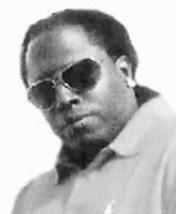
Walter Fleming, 31, a Black transgender woman, came back to New Orleans to be with family and take in Mardi Gras, a trip meant to feel familiar and bright. On the night of February 25, 2017, that weekend turned violent in New Orleans East. Just before 8:30 p.m., gunfire ripped through the parking lot of a shopping center in the 4300 block of Downman Road, and Fleming was found between two parked vehicles with multiple gunshot wounds, pronounced dead at the scene.
Friends and relatives said she was widely known by the name Chyna Gibson and performed under the stage name Chyna Doll Dupree, traveling and building community far beyond Louisiana. In the first shock of the killing, people who loved her struggled to explain what could have brought someone to open fire—whether it was hatred, robbery, or something more personal—because the only certainty was how suddenly her life was taken. Witness accounts described a burst of shots—ten in all—echoing across the lot, leaving no time for anyone nearby to make sense of what was happening.
Investigators worked the case as a homicide, and early on they tried to track the movements around the scene, including surveillance footage that captured individuals police believed might have information. At one point, two people were sought for questioning, but authorities later said those individuals were no longer being sought and had been cleared, without publicly releasing additional details about what they knew or why they were ruled out. No suspect was publicly identified in those updates, and no arrest was announced in connection with the shooting at that time.
In the days that followed, grief spread quickly through the communities that knew her—performers, friends, and advocates who described her as a presence that lit up rooms. Her death also landed in a painful moment for New Orleans, coming amid heightened fears after another transgender woman was killed in the city within the same stretch of days, deepening anxieties and pressing questions about safety, trust, and whether justice would come. As advocates pushed for answers and urged cooperation with investigators, police said they had not found evidence that the killings were connected or that the victims were targeted specifically because of gender identity—statements that did little to quiet the sense of alarm.