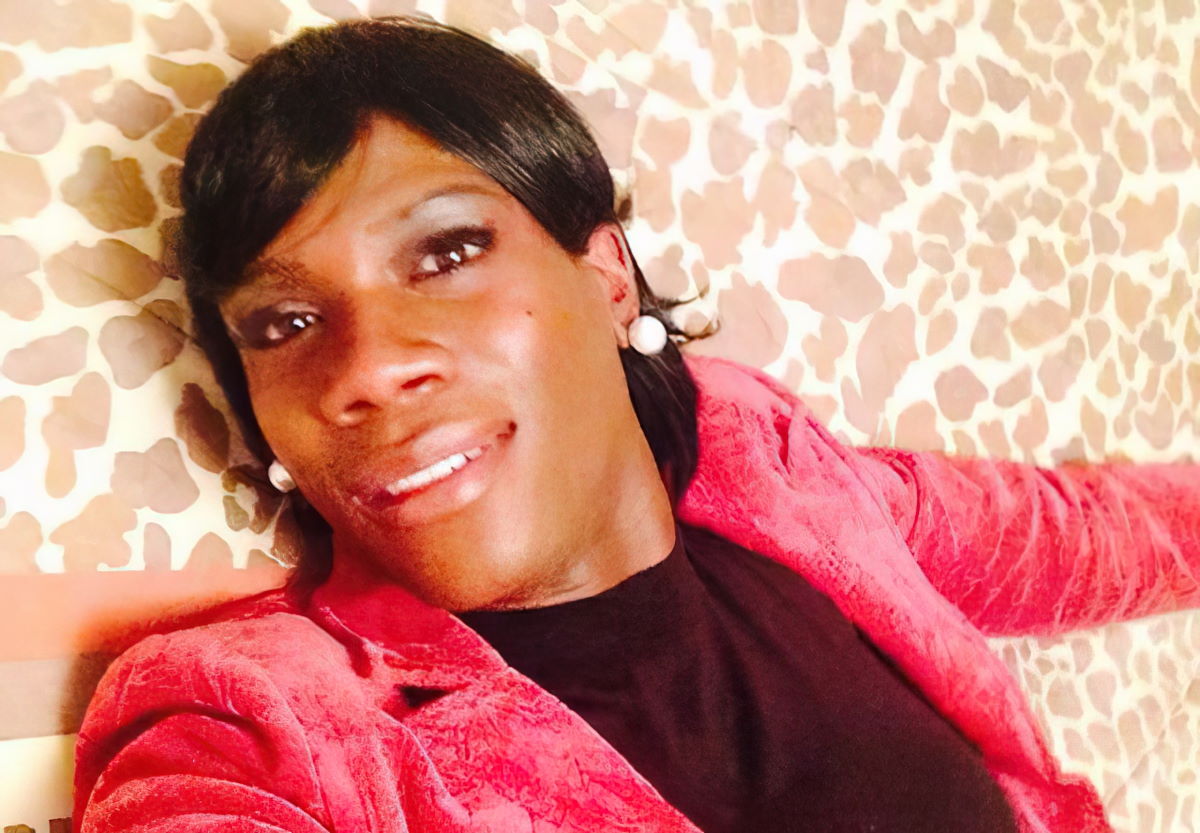
On a warm evening in Baltimore, just two days after her 27th birthday, Shakira Jackson's life was cut short by a fatal gunshot wound to the head. The incident occurred on July 16, 2014, around 10:20 p.m. in the 3600 block of Dolfield Avenue, a street in the Northwest part of the city. Paramedics rushed her to a nearby hospital, but her injuries proved to be too severe, and she succumbed to them shortly after arriving.
Known affectionately as 'Shaka' to her friends and family, she was a beloved figure in her Dolfield community, remembered for the laughter and jokes she brought to those around her.
In the immediate aftermath of the shooting, the Baltimore police were faced with a challenging investigation, as they had not yet determined a motive or identified any suspects in the case. The city at the time was experiencing a surge in violent crime, with multiple shootings happening in a short period. Shakira's death was a tragic addition to these statistics. Raised by her grandparents, George and Martha Stevens, after the passing of her parents, Shakira was described as a person who made friends easily and would be sincerely missed by all who knew her.
The investigation into Shakira Jackson's murder eventually led to a breakthrough. On October 21, 2014, authorities arrested Darnell Gwynn and indicted him for her murder. Gwynn was also facing charges for another shooting that had taken place on June 28, 2014, and the court decided to try both cases together due to their interconnected nature. During the trial, it was revealed that Gwynn had been involved in conflicts within the Dolfield neighborhood, which prosecutors suggested could have been a motive for the shootings. A witness, Ashley Roberts, testified about a conversation she had with Gwynn at a Fourth of July block party where he mentioned having problems with people in the area. Despite legal challenges from the defense regarding the admissibility of certain evidence, the court upheld the charges against Gwynn, moving the case forward.