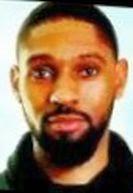
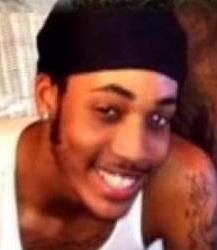
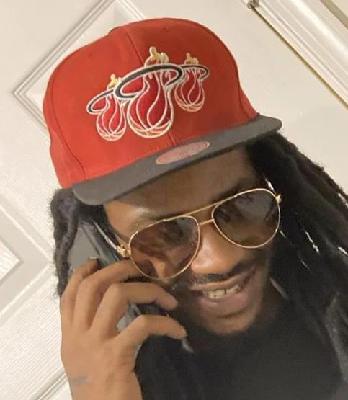
Earl Atwood Ross, 24, a Black man from Capitol Heights, Maryland, was killed on the morning of January 20, 2015, in a burst of violence that turned an ordinary Tuesday into a crime scene. Police were called to the 1300 block of Coral Gardens Court at about 10:15 a.m. for a report of a shooting, and they arrived to find Ross outside a home, badly wounded by gunfire.
He was rushed to a hospital, but he died a short time later, leaving detectives to piece together what happened in the minutes before the shots and why he had been targeted.
From the start, investigators signaled they didn’t believe it was random. They said they were working to identify the suspect or suspects and to establish a motive, and they appealed to anyone who might have seen a person leaving the area, heard an argument, noticed a suspicious vehicle, or remembered anything out of place on Coral Gardens Court that morning. A reward of up to $25,000 was offered for information leading to an arrest, and tipsters were told they could contact the Homicide Unit directly or share information anonymously.
As weeks passed without a publicly named suspect, the case pressed outward into the neighborhood. On April 1, 2015, homicide detectives returned to the area for an evening canvass beginning in the same 1300 block of Coral Gardens Court, distributing flyers and talking with residents in hopes that time—or a fresh conversation at a front door—might loosen the detail someone had been holding back. The outreach was framed as an effort to generate new leads in Ross’s murder, a reminder that investigators were still looking for the person who pulled the trigger, and for anyone who could explain what set it in motion.
In the public updates available from the police about the homicide, no suspect was identified by name and no arrest was announced in connection with Ross’s killing; the emphasis remained on developing leads and encouraging witnesses to come forward. The official messaging continued to point toward an intentional act, with detectives seeking help to close the gap between what happened on the street and what could be proven in court.
While investigators worked the case, Ross’s family prepared to lay him to rest. His death notice remembered him as Earl Atwood Ross II and described a circle of close relatives—his parents, William and Beverlyn Ross; brothers, Victor and William; and grandparents—along with many other loved ones left behind to carry the grief. Services were held on January 28, 2015, at New Smyrna Missionary Baptist Church in Washington, D.C., with a morning visitation followed by the funeral service, a gathering shaped as much by memory and faith as by the shock of how suddenly his life had ended.