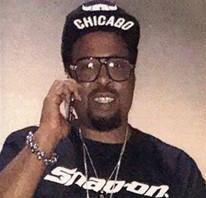
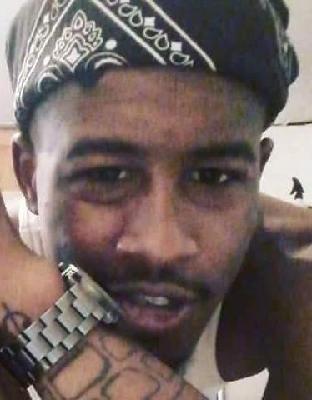
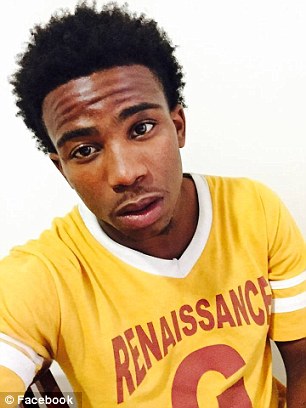
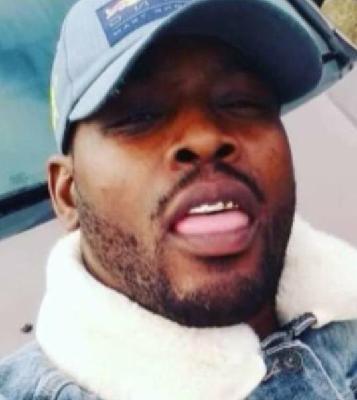
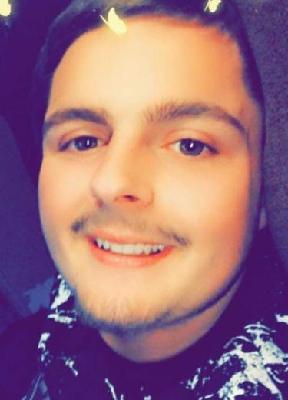
Brian Johnson, a 29-year-old White man from Baltimore, was gunned down in the middle of an ordinary afternoon in the city’s southwest corridor, shot in the chest around 3:15 p.m. on September 29, 2015, near the 5200 block of Windsor Mill Road. He was rushed to a hospital, but the wound was catastrophic, and he did not survive.
In the hours after the shooting, the public picture was spare and unsettling: police said there was no word on a motive and no immediate suspect to point to,
only the blunt fact of a life taken and a plea for help from anyone who might have seen something or heard something that day. The case, at least from the outside, looked like so many others—another burst of violence, another scene cleared, another family left with silence where answers should have been.
As the years passed, that silence began to crack—not through a single witness stepping forward, but through a wider federal investigation into the Murdaland Mafia Piru, a violent subset of the Bloods that authorities said ran a structured, mafia-like hierarchy and controlled drug territory across parts of northwest Baltimore and nearby Baltimore County. In court filings and a plea agreement, prosecutors described a world where money, power, and obedience were enforced through intimidation and bloodshed, and where a drug shop in that same stretch of Windsor Mill Road sat close to the highway like a magnet for customers and conflict. Within that account, Brian Johnson’s killing was framed not as random at all, but as punishment: authorities said he was murdered because he refused to pay gang dues that Dontray Johnson was collecting for another gang member.
The man authorities identified as responsible was Dontray “Gambino” Johnson, who later admitted in a guilty plea that he participated in the gang’s affairs through racketeering activity that included murder, drug trafficking, and acts meant to protect territory and retaliate against perceived disloyalty. On September 25, 2018, he pleaded guilty to racketeering and drug conspiracy charges tied to the gang, acknowledging two killings in total—one in 2012 and the one involving Brian Johnson in 2015—along with other conduct prosecutors said surrounded the organization’s operations.
On November 27, 2018, a federal judge sentenced Dontray Johnson to 30 years in federal prison, followed by five years of supervised release, with the government describing the outcome as part of an effort to dismantle a crew that financed itself through narcotics while using violence to keep control and collect what it believed it was owed. In that courtroom resolution, Brian Johnson’s death was no longer just an unsolved headline—it was folded into a larger narrative of a gang’s internal discipline, where refusal carried a price measured in gunfire.