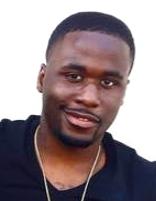
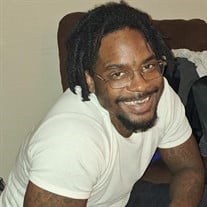
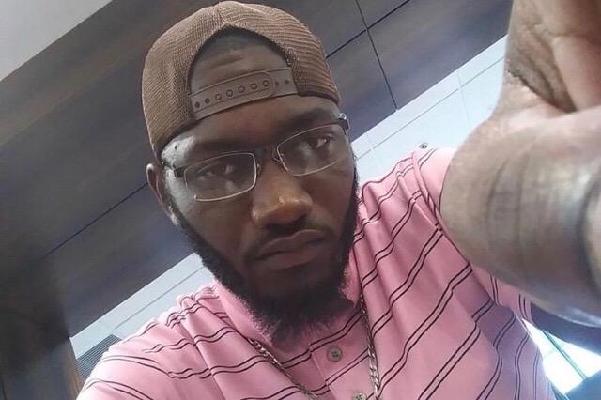
On the late evening of July 13, 2017, violence cracked through Sandtown-Winchester in West Baltimore, and the sound of gunfire drew officers who were already out on foot patrol nearby. Devante Woodley, a Black man, was found at the intersection of Presstman and Fulton avenues with gunshot wounds to his head and torso; police located him at about 10:35 p.m. after hearing shots while patrolling on Presser Court. He was rushed to a local hospital, but he did not survive.
The shooting
didn’t strike only him. In the same incident, a 21-year-old woman was hit in the shoulder, adding another frightened witness to an already chaotic scene. The neighborhood around Presstman Street—rowhomes pressed close, corners that hold heat even after dark—became a place of flashing lights and taped-off sidewalks as detectives began the familiar work of tracing footsteps, listening for what people saw, and trying to separate rumor from something that could stand up to time.
In the immediate aftermath, investigators did not publicly name a suspect or announce an arrest tied to Woodley’s killing. Instead, detectives appealed directly to the public for help, urging anyone with information to contact the homicide unit or reach out anonymously through Metro Crime Stoppers—an acknowledgment, between the lines, that whatever happened at Presstman and Fulton wasn’t yet fully visible to police.
Public homicide tracking that cataloged Baltimore’s killings that year recorded the death among the city’s 2017 cases and, at the time of that listing, did not indicate the case had been closed. With no publicly confirmed suspect or court outcome attached in the sources available, the story that remains is the one the street can still remember: a man found mortally wounded at a West Baltimore corner, an injured survivor nearby, and investigators left asking for the one detail—one name, one motive, one moment—that could finally explain why it happened.