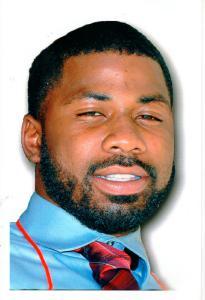
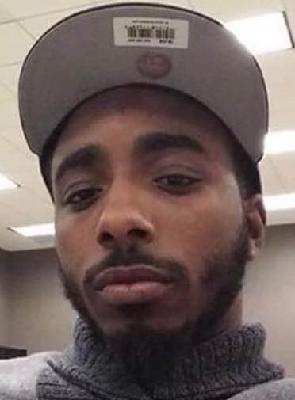
Clyde Burrell, 66, a Black man from Baltimore, Maryland, was killed on April 16, 2018, inside the East Baltimore home where he spent his ordinary days with the woman described by police as his longtime girlfriend, Rona Brand. That Monday afternoon, around 4:00 p.m., officers were dispatched to the 1700 block of East Federal Street for a reported shooting.
When they entered the house, they found the couple down with gunshot wounds to the head, the kind of scene that turns a familiar living room into something unrecognizable in an instant.
Investigators quickly focused on someone who wasn’t a stranger, but family: Rona Brand’s nephew, Tavon Brand, who had been living in the basement of the same house. Police said it took only hours to locate him. By the time detectives brought him in for questioning, they said he admitted to killing both victims, then guided them to the gun used in the shootings. The weapon, police reported, was recovered under a mattress roughly two blocks from the home, as if it had been stashed in a hurry during the first chaotic moments after the violence. At the time, police did not publicly provide a motive, describing the case instead in stark, procedural terms—two people dead, a relative in custody, and a confession that tightened the timeline to a single afternoon.
Brand was charged with two counts of first-degree murder, and police said he was held without bail at Central Booking with a preliminary hearing expected in May. In announcing the arrest, authorities also noted that he was “known to police” and had been arrested more than 20 times before—history that, in their view, put a grim frame around how quickly the case escalated from a 911 call to a suspect in handcuffs.
As the case moved from headlines to courtrooms, prosecutors filed an indictment that included two counts of first-degree murder, two counts of using a firearm in the commission of a felony or crime of violence, and gun-possession charges. Brand entered pleas of not guilty and not criminally responsible setting the stage for a trial that would hinge not just on what happened in that living room, but on his state of mind when it happened. The facts of the shootings themselves were treated as largely undisputed in later court proceedings: he shot and killed his aunt and Burrell in the living room, later admitting it to detectives and leading them to the hidden weapon.
In a bifurcated bench trial, the court first found Brand guilty of the charged offenses, then held a separate hearing on whether he should be deemed not criminally responsible due to mental disorder. Competing psychiatric testimony described him as psychotic at the time of the killings, with both experts agreeing the psychosis was tied to intoxicating substance use, likely marijuana—but disagreeing on whether it was a temporary drug-induced episode or a longer-term “settled” condition. The trial court ultimately determined the episode was temporary and did not meet Maryland’s standard for NCR, and Brand’s convictions—including first-degree murder and firearm-related offenses—were upheld on appeal in a decision filed December 15, 2020. Years later, another appellate decision addressing postconviction litigation described a partial reversal of a postconviction ruling and reinstated the convictions while leaving in place the opportunity for Brand to pursue a belated motion for modification of sentence.