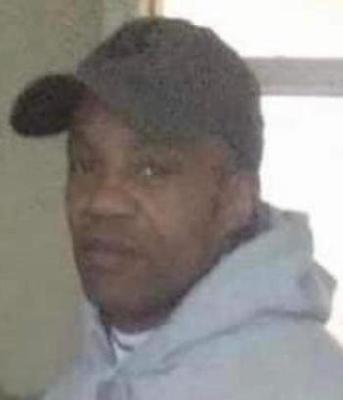
In the autumn of 2018, the life of 21-year-old Aaron Long was tragically cut short on the desolate railroad tracks in the 4000 block of Towanda Avenue in Baltimore, Maryland. On the morning of October 18th, the young man was discovered, having been fatally shot. The cause of death was clear, but the circumstances surrounding his demise would slowly unravel over the course of the following years, revealing a story of alleged betrayal and violence.
Investigators identified two individuals,
Terrance Belton and Rawnes Gibbs, as the primary suspects in Long's death. The prosecution would later argue that on the night of October 17, 2018, Belton and Gibbs had lured Long to the secluded location with a premeditated and deliberate plan to end his life. The evidence presented during their trial painted a grim picture of Long's final hours. He was reportedly shot nine times, a brutal end to a young life. The state's case relied on what they described as a trail of digital and physical evidence. Cell phone tower data allegedly placed Gibbs' phone in the vicinity of the crime scene around the time of the murder, directly contradicting his alibi of being at work. A significant breakthrough came with the recovery of a handgun from Belton's home two months after the killing. Forensic analysis later determined this to be the weapon used to murder Aaron Long.
In September of 2022, Terrance Belton and Rawnes Gibbs, both 23 years old at the time, stood trial for the murder of Aaron Long. They faced charges of first-degree murder, conspiracy to commit first-degree murder, and the use of a firearm in the commission of a felony. Gibbs faced additional handgun-related charges. The prosecution laid out its case, asserting that the evidence, though circumstantial, pointed directly to the guilt of the two co-defendants. They argued that Belton and Gibbs were the last people known to have been with Long before he was killed.
The defense attorneys for Belton and Gibbs countered the prosecution's narrative, highlighting the lack of direct evidence. They emphasized to the jury that there was no DNA evidence, no video footage of the crime, and no witnesses to the shooting itself. Belton's defense attorney argued that he had purchased the alleged murder weapon in early December of that year, after the murder had already occurred. The trial concluded with passionate closing arguments from both sides, leaving the jury to weigh the circumstantial evidence and decide the fate of the two young men accused of ending Aaron Long's life. The final verdict of the trial was not available in the online sources covering the case.