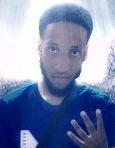
On the evening of August 5, 2019, sirens drew police to the 4400 block of Park Heights Avenue in northwest Baltimore, where a shooting had just turned a regular Monday into a crime scene. The victim, Michael Wudtee, a 22-year-old Black man, was found unresponsive with multiple gunshot wounds. He was rushed to a nearby hospital, but the injuries were too severe, and he was pronounced dead.
In the hours after the shooting, investigators began piecing together what happened along that
stretch of Park Heights Avenue, treating the killing as a homicide and looking for anyone who had seen the gunfire, the moments leading up to it, or the direction the shooter fled. Public reports from the time describe the initial response, the emergency transport, and the urgent request for information, but they do not name a suspect or outline a motive. No arrests or charges were publicly announced in the immediate coverage tied to the shooting, leaving the case to hinge on witness accounts and any evidence gathered at the scene.
Away from the flashing lights and taped-off pavement, the details of who Michael was appeared in memorial pages and funeral notices. He was born on November 9, 1996, in Baltimore, and was living in Owings Mills at the time of his death. Online remembrances captured small fragments of how people knew him—one nickname recorded for him was “2 redz,” and short messages of grief and longing were left behind by those who visited to mourn.
A wake and service were held on Tuesday, August 13, 2019, at Wylie Funeral Home in Randallstown, a day that gathered family and friends to face what the investigation could not yet answer. In public-facing accounts of the case, the aftermath is defined less by courtroom milestones than by unanswered questions—no publicly identified suspect, no publicly detailed arrest narrative, and no widely reported resolution—just a name, a date, and a violent moment on a Baltimore street that ended a young man’s life.