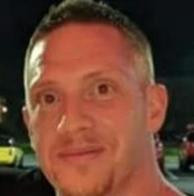
In the winter of 2021, a fatal encounter unfolded on a street in northwest Baltimore that would ultimately lead to a life sentence for the perpetrator. On the afternoon of February 18, 40-year-old Justin Allen Bucalo was shot and killed in the 5100 block of Queensberry Avenue. Police arrived at the scene around 12:17 p.m. to find Bucalo, who was pronounced dead from a gunshot wound to the head.
The investigation into the death of the man, an electrician and artist, quickly pointed to a meeting that turned violent.
The tragic events began to come into focus as investigators learned that Bucalo had met with a man for what was believed to be a drug transaction. During this meeting, the other man, later identified as 25-year-old Jaqwuan Owens, pulled out a handgun and demanded money. When Bucalo attempted to drive away, Owens fired, striking him in the head. In a chilling turn of events, Owens reportedly returned to the vehicle a short time later, dressed in different clothing, and stole money from Bucalo. This brazen act was witnessed by a neighbor who then alerted the police.
Within weeks of the murder, Baltimore police arrested Jaqwuan Owens in the 3900 block of Dolfield Avenue and charged him with first-degree murder. The case proceeded through the justice system, and in May 2022, a jury found Owens guilty of first-degree murder, use of a firearm during a violent crime, and two counts of possession of a firearm with a felony conviction. The trial revealed the senseless nature of the crime, with the prosecutor highlighting Owens's history of criminal activity.
In November 2022, the court handed down a sentence of life in prison plus an additional 20 years for Jaqwuan Owens. During the sentencing hearing, heart-wrenching impact statements were delivered by Bucalo's family. His father spoke of the profound pain of losing a child, while his daughter, who had to spend her 22nd birthday at her father's gravesite, lamented that her father was killed 'over a piece of paper.' Bucalo's twin brother also expressed his deep loss. In contrast to the family's grief, Owens did not take responsibility for his actions, stating, 'I apologize for being found guilty,' before being led away to begin his life sentence.