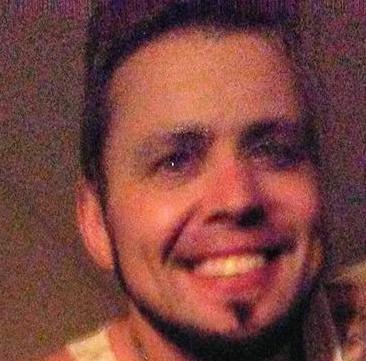
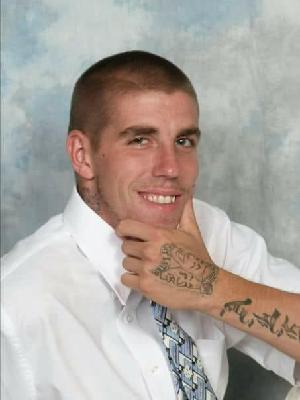
Michail Anthony Patrick was a 27-year-old white man living in Bonneau, South Carolina, originally born on August 3, 1975, in Willingboro, New Jersey. He worked as a security guard, employed through Security Management of S.C. and assigned to Santee Cooper, the large regional utility that looms large over life in the communities around Lake Moultrie.
Friends and family knew him as “Mike,” a man described in remembrances as funny and “shameless” in the best, playful sense of the word, someone who could fill a room with humor. He was also a family man, remembered as a loving husband and father to two children, Trey and Brianne, and a stepfather to Clayton Pickering, the sort of everyday anchor whose steady presence quietly holds a household together.
In the summer of 2003, Bonneau was the kind of small South Carolina community where the pace of life followed the rhythms of work at the utility, fishing on the lake, church gatherings, and thick, humid evenings that seemed to press the town into stillness. On July 3, 2003, that stillness was shattered for Michail and those around him. On that date, he died in Bonneau as a result of gun violence, his life cut short the day before his 28th birthday. What had been the ordinary promise of a mid-summer night became, for his family, an abrupt dividing line between the before and the after, the moment when a routine workday, familiar roads, and modest plans for the long holiday weekend gave way to shock, grief, and a future permanently rearranged.
In the years since his death, the picture that emerges from public remembrances is less about how he died than about how he lived. Online memorials describe candles lit in his honor, photographs contributed by those who knew him, and small details that sketch the outline of a personality: a man who worked security shifts, came home to his children, and was remembered as both a provider and a source of laughter. The formal records that remain—grave listings, vital statistics, and brief database entries—reduce him to dates, places, and occupations, but the tributes push back against that flattening, insisting on his roles as son, husband, father, and friend.
When it comes to the circumstances of his killing, however, publicly accessible sources offer little beyond the bare fact that he was lost to gun violence in Bonneau on July 3, 2003. The available records emphasize his death but do not describe the scene, name any suspect, or recount an arrest, indictment, trial, or conviction connected to the shooting. Instead, the trail in open sources turns from investigation to memory: there are candles rather than case files, tributes rather than courtroom transcripts. From what can be seen in those records, it remains unclear to the public who was responsible for the gunfire that ended Michail Anthony Patrick’s life or whether anyone has ever been formally held to account, leaving his family and community with a story whose final chapters are still unwritten in the official record.