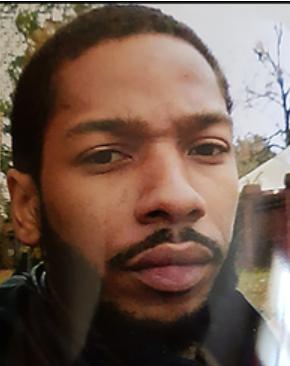
Tamar Stewart, a 30-year-old Black man from Aiken, South Carolina, was known in official records by his full name, Howard Tamar Stewart Paige. Born in Aiken on January 2, 1984, he grew up rooted in that community, part of a large extended family that had already faced its share of hardship; years earlier, he had lost his mother, Rosalind Stewart Paige, a loss that left him and his brother navigating adulthood without her.
Friends and relatives remembered him as someone who kept people laughing, the kind of person whose smile and sense of humor could brighten a room and whose presence drew cousins, neighbors, and longtime friends close around him. As he got older, he channeled his talent into hands-on work, especially auto mechanics and other trades, using those skills to support himself and to build a life for his young son, Za’Qual, even as he remained closely tied to his parents’ and grandparents’ homes around Aiken.
On March 23, 2014, that familiar world in Aiken was shattered. At some point that Sunday, Stewart was shot and fatally wounded within the city, his death later recorded in public memorial records as a life “lost to gun violence” in Aiken, South Carolina, on that date. News outlets in the area briefly noted that a man had been found shot and that authorities had opened an investigation, but the coverage was sparse and quickly gave way to the next day’s headlines. Behind those short notices, his family and friends were left to grapple with the suddenness of it all: one day he was joking with people who had known him since childhood, and the next they were trying to make sense of a phone call saying he was gone. In condolence messages posted soon afterward, people wrote about how wrong it felt to see him in a coffin, how quickly it had happened, and how hard it was to accept that someone so full of life had been taken.
In the aftermath, law enforcement treated the shooting as a criminal investigation, but publicly available records and news archives do not identify any suspect in his killing or describe an arrest connected to his death. Extensive searches of local and regional coverage, obituary notices, and memorial databases show no follow-up stories announcing a suspect’s name, no reports of charges or an indictment, and no mention of a trial or conviction tied to the case. Instead, his name appears only in death notices, genealogy summaries, and gun-violence memorial listings, with no indication that anyone has been held accountable. From what can be seen in the public record, his shooting seems to have slipped into the background of Aiken’s broader history of violent crime, unresolved or at least unresolved in any way that has been reported to the wider public.
Even as the official story of what happened to him remains thin, the details of how he was mourned give a clearer picture of the life he lived. Funeral services for Stewart were held on March 29, 2014, at Family Life Worship Center in nearby Windsor, South Carolina, with a viewing beforehand so loved ones could gather, pray, and say goodbye. Obituaries and memorial pages describe him as the son of John Howard Paige and the late Rosalind Stewart Paige, and as a father whose little boy, Za’Qual, would now grow up with stories instead of memories of his dad. In online guest books, people promised that the light he carried would keep shining in the hearts he had touched, that he was “gone, but not forgotten,” and that his laughter and nickname would live on in family conversations long after the news of his death had faded. In that way, although the public record offers few answers about who pulled the trigger or why, the traces of Tamar Stewart’s life and the grief that followed his killing form their own kind of record—a portrait of a son, father, and friend whose loss left a quiet but enduring mark on Aiken.