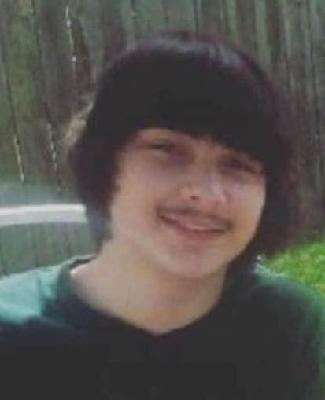
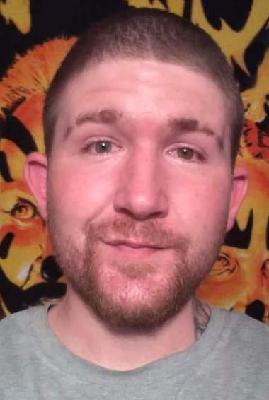
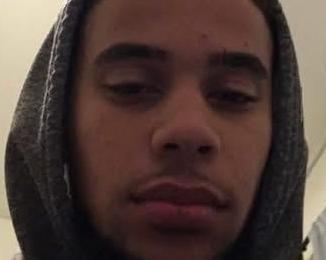
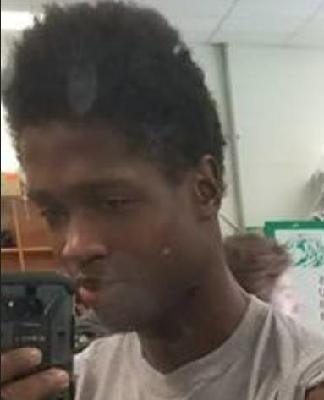
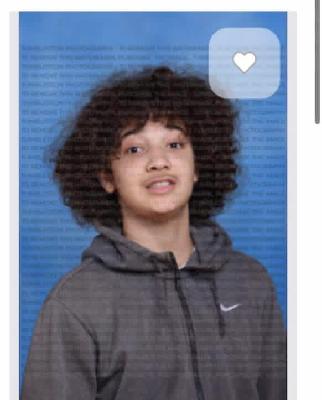
Sixteen-year-old Alfonza Campbell Jr., a Black male from Summerville, South Carolina, spent the evening of November 2, 2016 driving through the Robynwyn neighborhood along Daffodil Street when everything went violently wrong. Not long after 7 p.m., residents heard a burst of gunshots outside their homes. Moments later, a car barreled off the roadway, slammed into a tree in front of one of the houses, and overturned in a tangle of twisted metal and broken glass.
When officers from the Summerville Police Department arrived, they found Alfonza in the wrecked vehicle, already beyond help. Neighbors later described feeling shaken and afraid as they watched the scene unfold just feet from their front steps, stunned that such sudden violence had erupted in their quiet subdivision. The Dorchester County Coroner’s Office would soon confirm what many already suspected: Alfonza had been shot in the chest, and his death was ruled a homicide.
In the days that followed, the bare facts of his life emerged alongside the details of how he died. Public records and his obituary describe him as Alfonza Benjamin Campbell, born February 7, 2000, in Charleston, South Carolina, the son of Shawnta L. Perry and Alfonza T. Campbell. Family and friends knew him by the nickname “Alley,” a name that shows up lovingly in the memorial tribute written after his death. That obituary lists a tight-knit family left behind to grieve: his parents in Summerville, a brother named Brandon Perry, a younger sister, and grandparents who suddenly found themselves planning a funeral instead of watching a grandson grow up. Another corner of the internet quietly honors him as one of many Americans lost to gun violence on that date, where hundreds of virtual candles have been lit in his memory, each one a small signal that he is still remembered.
From the start, investigators treated the case as a homicide. Summerville police appealed to the public for information, asking anyone who had seen or heard anything around Daffodil Street that evening to come forward. The physical scene itself told a story: a car that appeared to have sped or swerved after the shots rang out, striking a tree near a home before flipping over, suggesting that the gunfire and the crash were part of the same violent moment rather than unrelated incidents. The fact that neighbors heard multiple shots reinforced the sense that this was a deliberate act of violence, not a random accident. As the days passed with no public identification of a suspect, the case hung over the neighborhood, a reminder that whoever pulled the trigger was still somewhere beyond the blue tape and flashing lights.
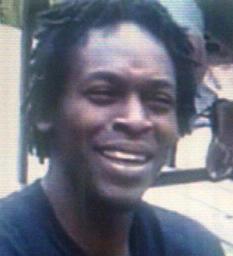
Two weeks later, there was a major development. On November 18, 2016, Summerville police announced the arrest of a man they said was connected to Alfonza’s death: Brandon Samuel Perry. According to police, Perry was charged with attempted murder and with possession of a firearm during the commission of a violent crime in relation to the shooting that led to the crash on Daffodil Street. The same reports reiterated the coroner’s finding that Alfonza had died from a gunshot wound to the chest and noted that, at Perry’s bond hearing, a judge set a $250,000 surety bond. At the time of that coverage, he remained in custody. Investigators indicated they did not expect additional arrests, but they did not publicly explain why Perry faced an attempted murder charge rather than a murder charge, even though the victim was dead. That unanswered question added another layer of mystery to a case that already felt senseless to those who had watched it unfold outside their front doors.
Beyond that initial arrest, publicly available reporting does not detail what ultimately happened to those charges in court. Later news stories involving a man with the same name describe separate legal troubles years afterward, but they do not clearly connect the outcome of those later cases to the earlier attempted murder charge tied to Alfonza’s death. As a result, from what is visible in open sources, it remains unclear whether the case ever went to a full trial, whether there was a plea agreement, or how — or even if — the criminal proceedings related specifically to the homicide were resolved. What is clear is that a young life ended violently on a neighborhood street, a family was left to mourn a son and brother, and a community was forced to live with the memory of gunfire and an overturned car where, on an ordinary evening, there should have been nothing more than the sound of tires on pavement and the quiet glow of porch lights.