On a late November night in 2016, Leroy W. Brown, a 27-year-old man from Graniteville, South Carolina, was at home with his roommate in their modest residence on Woods Haven Road when a single gunshot ended his life. It was just after three in the morning on Monday, November 21, when Aiken County deputies were dispatched to the rural property at 112 Woods Haven Road.
Inside, they found Leroy dead on a couch, a firearm resting on the kitchen table nearby, the quiet of the house broken only by the sounds of law enforcement and investigators moving through the rooms.
In life, Leroy was remembered as someone with a generous heart who stepped in wherever help was needed. Family and friends described him as the kind of person who would show up at church fundraisers on weekends, doing the unglamorous work behind the scenes, and as a young man who had just helped a local music store owner move equipment the evening before he died. In the days leading up to his death, he had talked about wanting to join the military, hoping to serve his country and build a more stable future. His family was already carrying fresh grief: just months earlier, they had buried his grandfather, Jackie Leon Widener, a U.S. Army Special Forces veteran, making Leroy's sudden death yet another heavy blow for a family rooted for generations in Aiken County.
When deputies first arrived at the scene that November morning, they quickly focused on the only other person in the home: Leroy's roommate. Early reports from Aiken County authorities described how investigators detained the male roommate for questioning while they worked to piece together what had happened inside the house before the shot was fired. There were no signs of a struggle reported publicly, no account of an argument escalating into violence—only a gun that had gone off and a young man left dead in his own living room. In those first hours, officials said they were consulting with the solicitor's office to determine whether criminal charges were appropriate, signaling that the case hinged on whether the shooting would be treated as a tragic accident or a crime.
Within two days, investigators announced that the roommate, 28-year-old Bobby Wayne Glover III, had been arrested in connection with the shooting. He was formally charged with involuntary manslaughter in what authorities characterized as an accidental death. According to statements from the sheriff's office, investigators concluded that Glover was in possession of the firearm when it discharged, killing Leroy as he sat on the couch, and that there was no evidence of malice or of any verbal or physical altercation immediately before the shooting. Gun Violence Archive's summary of the case likewise records Glover as the subject-suspect, noting his arrest and Leroy's status as the victim killed in the incident. Glover was jailed following the filing of charges; publicly available records, however, do not clearly document the final outcome of the case, leaving unanswered questions about how the courts ultimately resolved the allegation that a moment's handling of a gun had cost a young man his life.
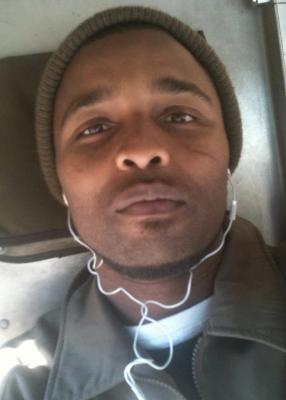
In the months that followed, Leroy's story lived on in the memories shared by his family and on public memorial pages. His obituary from a local funeral home listed his birthdate as December 20, 1988, and recorded that memorial services were held at Bible Baptist Church in Graniteville, where loved ones gathered to say goodbye less than a month before what would have been his twenty-eighth birthday. On the National Gun Violence Memorial, photos show him smiling broadly, leaning over a motorcycle or staring thoughtfully into the distance, a visual reminder that the statistics of gun violence are built from individual lives and futures cut short. Friends and relatives wrote of missing him “every minute,” of a son and brother who was loud, loving, and helpful, and of the painful symmetry of a family that had said farewell to a grandfather in the spring and to a grandson before winter came. In Graniteville, the small house on Woods Haven Road became part of that story—a place where a quiet night turned irreversible in an instant, and where a single gunshot still echoes in the lives of those who knew and loved Leroy W. Brown.