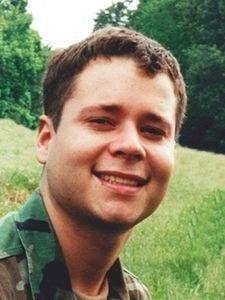
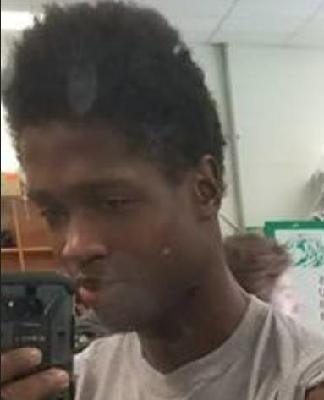
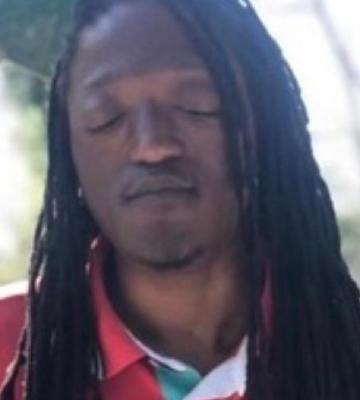
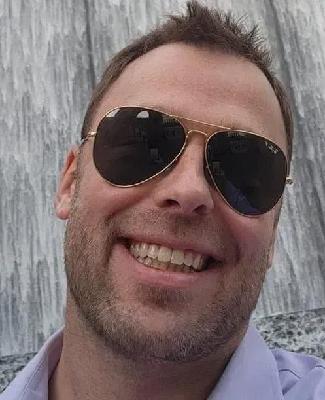
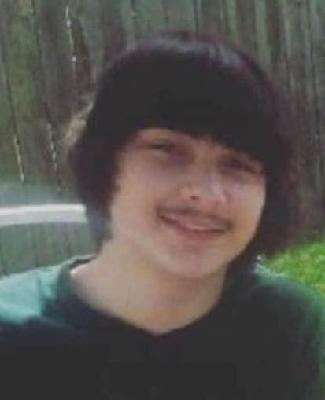
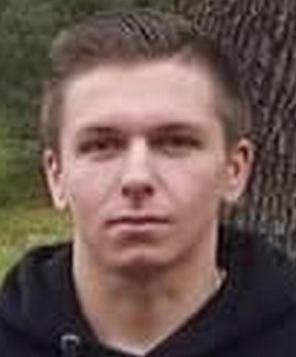
On Sunday evening, June 4, 2017, 30-year-old male Alex Wilfredo Mendoza Ramirez went to the Gates of Summerville apartment complex on Boonehill Road in Summerville, South Carolina, and never came home. His name would later appear on the National Gun Violence Memorial, marking him as one of the people lost to gunfire on that date, and on an individual memorial page that records his full name, age, and the town where his life ended.
That night, Summerville police were dispatched to the Gates of Summerville around 8:39 p.m. after reports of shots fired at the complex. When officers arrived in front of Building I, they found Alex lying outside the apartment building with at least one gunshot wound; a later incident report described the wound as being to his head and neck area. There was no time for life-saving measures—he was pronounced dead at the scene, his final moments unfolding on the concrete walkway outside a building full of families, including young children.
Even as officers secured the scene, the man they believed had fired the shots was not fleeing into the night. According to local news accounts based on the Summerville Police Department report, 21-year-old Wayne Jamal Pinckney, a resident of the Gates of Summerville, had already called 911 himself. He told dispatchers he was staying in his apartment until police arrived and that his gun had been secured. When officers questioned him, Pinckney said he did not know Alex, but pointed out another man who had been with the victim. That man identified himself as Alex’s roommate and explained that the two of them had gone to the apartment where Pinckney and several others were gathered to confront one of the people inside over what they believed was the sale of fake marijuana. Inside the apartment, there were five people in total, including two infants; the adults said they did not see what happened when the confrontation spilled outside. One woman later told officers she had been directed by Pinckney to call 911 because, as she recounted it, he said he was protecting himself and that “the boy that he shot was on the porch.” Another young man in the apartment, identified as 17-year-old Robert Da’Jon Smalls, also called 911 but insisted he had not witnessed the shooting.
From the beginning, investigators treated the case as a homicide, even as the possibility of self-defense was raised in early reporting. Police located Pinckney soon after finding Alex’s body and arrested him. He was charged with murder and with possession of a firearm during the commission of a violent crime, and taken into custody. In an initial bond hearing, a magistrate judge set bond at $100,000 on the weapon charge, but left the question of bond on the murder count for a circuit court judge to decide, underscoring the seriousness of the allegations. Public records and jail listings in subsequent years continue to show Wayne Jamal Pinckney involved in the South Carolina court system and held at area detention facilities, but readily accessible public sources do not clearly describe the final outcome of the murder charge tied to Alex’s death—whether it resulted in a conviction, a lesser plea, or some other resolution remains unclear from available online records.
For Alex Wilfredo Mendoza Ramirez and those who knew him, the shooting left only questions and grief. His name stands among the roll of people killed with guns on June 4, 2017, while local coverage from that time reflects a case clouded by a disputed narrative: a late-night confrontation over drugs that ended with a man dying on a porch, a shooter who stayed and claimed he had only been protecting himself, and witnesses inside the apartment who said they saw nothing. Police appealed to the public for information through Crime Stoppers in the days after the killing, and memorial listings quietly preserved Alex’s name and the date of his death, even as the deeper story of what a jury or court ultimately decided about that night has not been widely documented online.