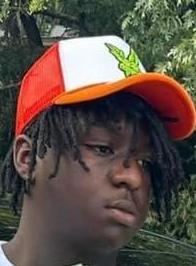
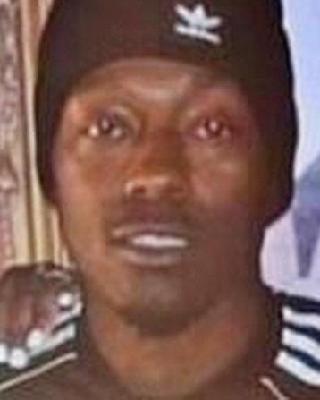
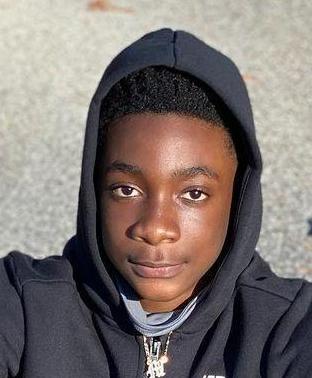
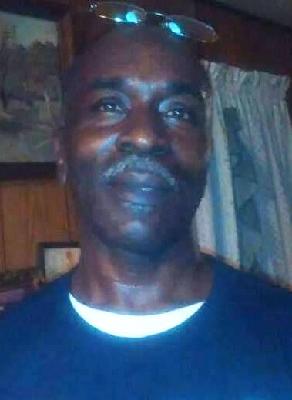
Freeman Angelo Rivers, a 55-year-old man from North Charleston, South Carolina, was a quiet, familiar presence on Bailey Drive and in the surrounding Accabee and Dorchester Terrace neighborhoods. Neighbors remembered him as soft-spoken and helpful, someone who rode his bicycle up and down the street with his dog nearby, stopping to talk and laugh with people he had known for years.
To those who lived around him, he was the kind of steady figure who made the block feel safe and predictable, the sort of neighbor whose absence was immediately noticeable.
In the early hours of June 8, 2017, that sense of normalcy was shattered. Before dawn, fire crews were called to a fully involved blaze at a home on the 2200 block of Bailey Drive. Firefighters worked quickly and had the flames under control in roughly ten minutes, but as the smoke cleared they discovered Rivers’ body inside the burned house. At first glance it might have appeared that he had been claimed by the fire, but the Charleston County coroner soon announced that he had died from gunshot wounds, turning a house fire into a homicide investigation.
As investigators and fire personnel picked through the charred rooms that morning, they documented evidence that suggested someone had tried to use the fire to hide a brutal killing. When authorities examined Rivers’ body more closely, they found him in the bathtub with a cord wrapped around his neck and multiple gunshot wounds to his head. Police treated the property as a crime scene, and what had been a “crime watch” neighborhood suddenly became the center of a murder case. Neighbors, stunned by the news that the quiet man they saw every day had been killed, spoke of their disbelief and grief, describing him as kind-hearted and always willing to help.
For several weeks, investigators worked to unravel what had happened inside the house that night. Detectives followed leads and reconstructed Rivers’ final hours, eventually focusing on a relative: 36-year-old Gregory Green of Azalea Drive. About a month after the fire, officers from multiple agencies converged on a home on Congress Street in North Charleston, where a standoff ended with Green taken into custody. He was charged with murder, possession of a weapon during the commission of a violent crime, and arson in connection with Rivers’ death. Another man, 29-year-old Terrance Doucet, was arrested days earlier and charged with accessory to murder, reflecting investigators’ belief that more than one person had been involved in what happened after the shooting.
As the case moved toward trial, a clearer, darker narrative emerged. Prosecutors said that Rivers and Green were cousins, and that the killing grew out of an unpaid drug debt. Evidence presented in court showed that in the early hours of June 8, 2017, North Charleston police and fire crews were dispatched at 4:46 a.m. to Rivers’ Bailey Drive home, where they found him dead in the bathtub, the cord still around his neck and gunshot wounds in his head. Phone records demonstrated that Rivers had been in contact with Green shortly before his death, and that Green and a co-defendant were communicating around the time of the killing. Investigators concluded that Rivers owed Green money for drugs and that the debt escalated into lethal violence.
The most detailed account of the final moments came from a cooperating co-defendant who testified at trial. According to that testimony, Green called and asked to be picked up from Rivers’ home. When the co-defendant arrived, Green came out of the house with blood on his clothes and a gun in his hand. The two then returned to the residence and agreed to set the house on fire in an effort to destroy evidence of the crime. Other witnesses helped corroborate the co-defendant’s description and timeline, and the phone data placed the men in contact with each other and with Rivers around the critical time. Later, while in jail, Green made phone calls that were recorded by authorities; in those calls, prosecutors said, he tried to arrange for people to kill the co-defendant who had implicated him, a detail that underscored how far he was willing to go to silence witnesses.
After hearing this evidence, a Charleston County jury deliberated for about four hours before returning a guilty verdict on charges of murder and possession of a weapon during the commission of a violent crime. Green was acquitted of the related arson charge, but the judge sentenced him to 40 years in prison for murder and five years for the weapons charge, with the sentences to run concurrently. The conviction marked the legal end of a case that had begun with flames and confusion on Bailey Drive more than two years earlier and ended with a family watching a cousin held responsible for another cousin’s death over an unpaid debt.
For Rivers’ loved ones, the trial’s outcome did not erase the loss, but it carried deep emotional weight. In a 2020 memorial notice, his mother wrote about the day he was taken from her and how the memory of it would stay with her for the rest of her life, yet she also expressed gratitude that she could finally say her prayer for justice had been answered and that “justice did prevail.” Friends and former classmates remembered his smile and laughter, and neighbors recalled a quiet man with his bicycle and his dog, a constant presence whose absence still echoed years after the fire was extinguished.