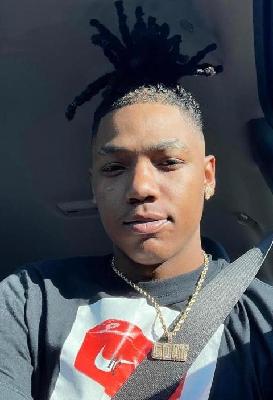
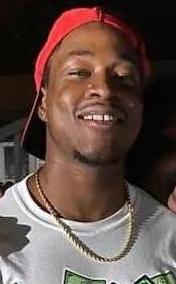
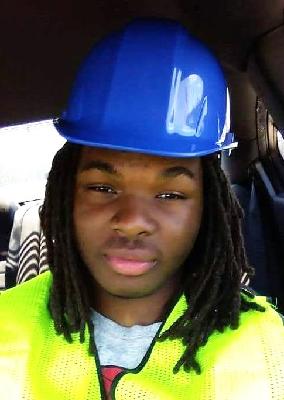
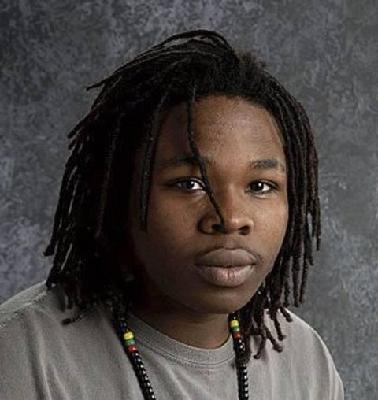
Jason Sprott, a 41-year-old man from Jacksonville, Florida, had driven up to rural Horry County, South Carolina, in early October 2017, spending time in the Longs area not far from the coast. Online memorials paint a picture of someone with deep ties back home: a U.S. Navy veteran, known to some as “Hot dog” or “Hott Dogg,” who worked with home audio and video installations and was remembered as laid back, respectful, and devoted to his family, including his children.
On the evening of Tuesday, October 10, 2017, a brief, chilling 911 hang-up call brought Horry County police toward Freemont Road near Longs. When dispatchers replayed the recording, they heard a woman in the background urgently asking, “Who got shot in the front?”, prompting officers to rush to the scene. In the driveway of a home along that rural road, they found an older model gray Chevy Tahoe sitting askew, its passenger-side window punched through by a bullet. Witnesses later told investigators they had smashed out what remained of the glass in a desperate attempt to reach the driver, whose doors were locked and who was slumped inside suffering from multiple gunshot wounds.
Emergency responders pulled Sprott from the SUV and rushed him to the Seacoast emergency room, but the damage was already too severe. According to the county coroner’s office, he died from his injuries shortly before 7:30 p.m. that night. In the hours that followed, the quiet Longs community found itself at the center of a homicide investigation. Deputies marked off the driveway and traced the route the Tahoe appeared to have taken, with witnesses reporting that they had heard gunshots from the direction of Elbow Road before seeing the vehicle come from that way, jump a ditch, and end up in the neighboring drive.
Initially, investigators had no suspect to name. Local news reports described detectives working every angle they could find, appealing to the public for tips and emphasizing that witnesses at the scene were hesitant to share everything they knew. The early coverage focused on Sprott himself—a visitor from Florida whose life had ended violently in a place where many people knew one another—and on the unanswered question of who had fired the shots into his vehicle and why.
Within days, the investigation broke open. On October 16, 2017, Horry County police announced that they had arrested a suspect: 39-year-old Longs resident Anthony Bellamy. A subsequent report detailed how officers, working from leads developed after the killing, charged Bellamy with murder and with possession of a weapon during a violent crime. He was booked into the Horry County Detention Center, where no bail was initially set, leaving him jailed while the case moved into the court system.
Even that was not the end of the arrests. By late October, a second person had been taken into custody. An Associated Press story reported that a 17-year-old male had been arrested and was being held in the county jail in Conway, also charged with murder in Sprott’s death. The report recapped the core facts of the case: officers responding to a 911 hang-up, Sprott found gravely wounded in an SUV with a bullet hole in the passenger window, and his subsequent death at the hospital. In a national database of gun violence incidents, that second suspect is identified as Khyeem Bradly, then 17 years old, listed alongside Bellamy as a subject arrested in connection with the shooting.
Publicly available records and news coverage concentrate on these early stages—the killing itself, the frantic effort to save Sprott, and the arrests of Bellamy and the teenage suspect on murder charges—without providing later, detailed accounts of how the prosecutions unfolded or what final verdicts, if any, were reached in court. What the online traces make clear is the human loss at the center of the case. Obituaries from Myrtle Beach and Jacksonville, as well as a veterans’ memorial page and gun-violence remembrance sites, show friends, family members, and acquaintances leaving messages of love and grief, addressing Sprott as a son, a father, a shipmate, and a friend whose easygoing presence and respect for others left a mark on the people around him. Years after the shots on Freemont Road, his name continues to appear in these quiet digital spaces, a reminder that behind the terse language of police reports and charge sheets was a life that mattered deeply to the people who knew him.