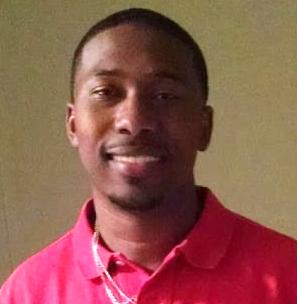
In the late autumn of 2017, a dispute in a parking lot in Rock Hill, South Carolina, ended the life of 32-year-old Antonio Roddey. On the afternoon of November 6th, Roddey, a Black male, was found with a gunshot wound outside the Renew Our Community center on East White Street, a place intended to be a haven for those in need. Despite the efforts of first responders, he was pronounced dead at the scene.
The incident sent a shockwave through the local community, prompting a swift and intensive investigation by the Rock Hill Police Department.
Witnesses at the scene described a suspect fleeing the area shortly after the sound of the gunshot echoed through the parking lot. This information led investigators to 26-year-old Jayson Andre Tucker. Within a day of the fatal shooting, Tucker was located and taken into custody. He was initially charged with murder and possession of a weapon during a violent crime. As the legal process began, further details about the moments leading up to the tragedy started to emerge, painting a more complex picture of the encounter between the two men.
During legal proceedings, it was revealed that the confrontation stemmed from a disagreement over a marijuana transaction. Prosecutors stated that Roddey and Tucker were arguing about the quality or quantity of marijuana that Tucker had purchased from Roddey. The argument escalated dramatically when Roddey allegedly drew a handgun and began to load it. In response, Tucker pulled out his own firearm and shot Roddey in the head. This crucial detail, that Roddey was the first to introduce a weapon into the conflict, significantly altered the course of the legal case.
Due to the evidence that Roddey had initiated the armed confrontation, Tucker's defense attorney argued that he could not pursue a straightforward self-defense claim because his client was involved in an illegal act at the time. Consequently, a plea deal was negotiated. In June 2018, Jayson Andre Tucker pleaded guilty to the lesser charge of voluntary manslaughter. He entered an Alford plea, a legal mechanism in which a defendant does not admit guilt but acknowledges that the prosecution has enough evidence to likely secure a conviction. Tucker was subsequently sentenced to six years in prison for his role in the death of Antonio Roddey. The resolution of the case brought a measure of closure to a tragic event that took a son and a father of six, leaving two families to grapple with the devastating consequences of a dispute that turned deadly in a matter of moments.