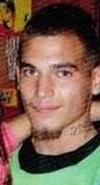
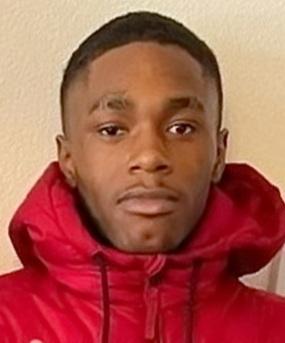
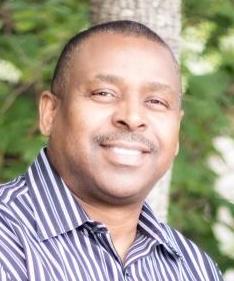
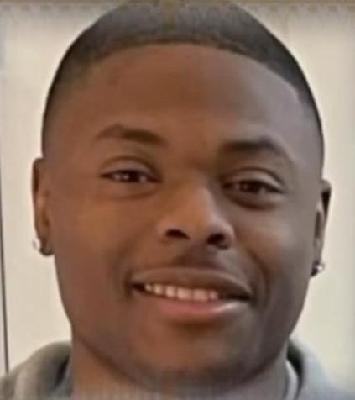
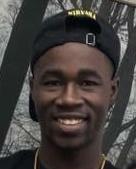
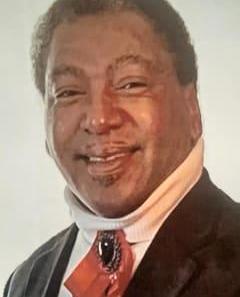
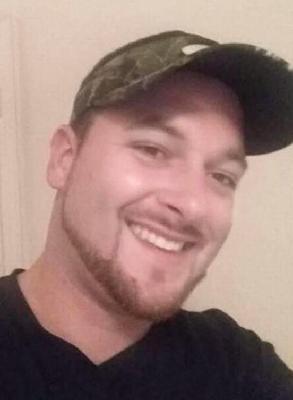
On a tragic spring day in Rock Hill, South Carolina, five-year-old Noah Ryan Lesslie's life was cut short in an act of shocking violence. On April 7, 2021, Noah, his nine-year-old sister Adah, and their grandparents, Dr. Robert Lesslie, 70, and Barbara Lesslie, 69, were fatally shot in the Lesslie family home. The children were in the care of their grandparents when the gunman, a former NFL player named Phillip Adams, forced his way into their house and opened fire.
The horrific event
began in the afternoon when Adams, who lived nearby, went to the Lesslie's property. Before entering the home, he first shot two HVAC technicians who were working outside. James Lewis, 38, was found dead at the scene, and his colleague, Robert Shook, also 38, died from his injuries days later in a hospital. After shooting the two workers, Adams proceeded inside and killed Dr. Lesslie, his wife, and their two grandchildren, who were all found in a back room of the house.
Law enforcement was alerted to the shooting by two 911 calls around 4:45 p.m., one from a man mowing a nearby lawn who heard about twenty gunshots, and another from one of the wounded technicians. Evidence left at the scene quickly pointed to Phillip Adams as the suspect. Police then surrounded Adams' parents' home, where he was located. After a standoff, during which they tried to negotiate with him, officers found Adams dead inside from a self-inflicted gunshot wound.
In the aftermath of the tragedy, it was revealed that Adams' motive was not clear, though his father suggested that his football career had 'messed him up.' An autopsy of Adams' brain later confirmed a diagnosis of Stage 2 chronic traumatic encephalopathy a degenerative brain disease linked to repeated head trauma. Experts who studied his brain noted that the CTE was unusually severe, particularly in the frontal lobes, which can result in impulsive and violent behavior. Due to the perpetrator's suicide, no arrests were made, and the case did not proceed to a trial. The Adams family later filed a wrongful death lawsuit against his alma mater, South Carolina State University, alleging the university's negligence during his football career led to his CTE and subsequent actions.