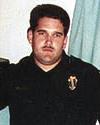
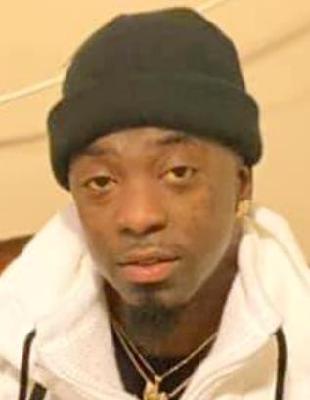
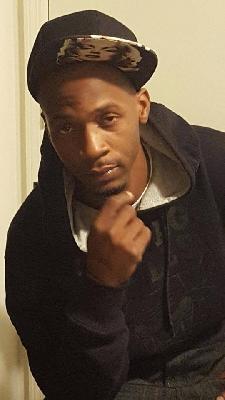
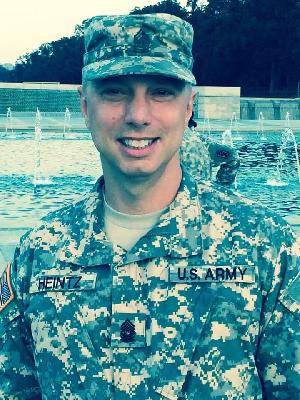
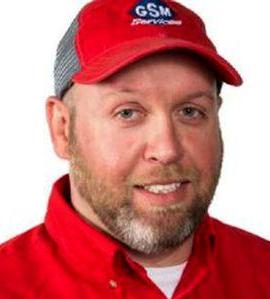
On the evening of June 7, 2019, in Rock Hill, South Carolina, 55-year-old Timothy Barber, a man known for his kindness and love for his family, was shot and killed in what has been described as a random act of violence. Barber, along with his brother-in-law, 50-year-old Robin Thompson, was at a residence on Rivercrest Road to pick up custom-made cabinets for Barber's blind father when they were both gunned down.
Thompson was pronounced dead at the scene, while Barber succumbed to his injuries at Piedmont Medical Center.
The man responsible for the double homicide was identified as 28-year-old Jimar Frazier Neely. Later that same evening, Neely was involved in a burglary and another shooting incident on Red River Road. When deputies attempted to pull over his vehicle, a black Dodge Charger, Neely opened fire on them. A chase and exchange of gunfire ensued, ending with Neely's capture after he crashed his car and attempted to flee on foot. He sustained a non-life-threatening gunshot wound during the confrontation with law enforcement. No deputies were injured in the shootout.
Neely was arrested and faced a litany of charges, including two counts of murder, attempted murder, burglary, and weapons charges. In February 2022, he pleaded not guilty by reason of insanity. A judge, acting as the jury in a bench trial, found him not guilty by reason of insanity, and he was committed to a state mental health facility. It was revealed during the trial that Neely suffered from schizophrenia and had not been taking his medication at the time of the killings. A doctor testified that Neely heard voices telling him to shoot Barber and Thompson.
In early 2025, the South Carolina Department of Mental Health petitioned for Neely's release to a group home, a move strongly opposed by the victims' families. The prosecutor in the case also argued against his release, citing that Neely had tested positive for illegal drugs while in the secure mental hospital. A judge ultimately denied the request for release, determining that Neely's drug use in a controlled environment demonstrated a lack of responsibility and that he would continue to pose a threat to the public if released.