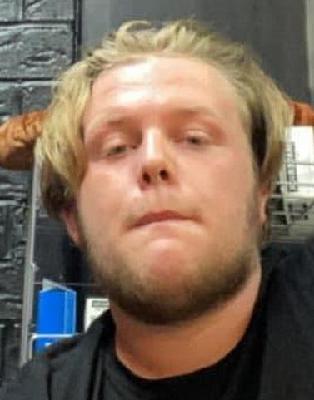
A tragic night of violence unfolded at a popular Myrtle Beach, South Carolina restaurant on October 7, 2018, ending the life of 25-year-old Roger Ramos. An off-duty employee of Riptydz Oceanfront Grille and Rooftop Bar, Ramos was at his workplace to enjoy a UFC fight with a friend when the fatal encounter occurred. He was a graduate of Myrtle Beach High School and was remembered by a friend as a funny and lovable person who was also spiritual.
The evening took a dark turn when a fight
broke out inside the busy establishment. Shortly after that initial altercation subsided, a second fight erupted. During this subsequent brawl, a man brandished a firearm and discharged it, striking Ramos in the head. Myrtle Beach police were called to the chaotic scene on North Ocean Boulevard at approximately 1:13 a.m. Thanks to the help of witnesses, officers were able to swiftly identify and locate the suspected shooter.
The individual taken into custody was Jakkari Jaquille De'Andre Brown, a 24-year-old resident of Toccoa, Georgia. He faced a string of serious charges, including murder and possession of a deadly weapon during the commission of a violent crime. In 2021, a court found Brown guilty of murder, possession of a weapon during a violent crime, unlawful consumption of alcohol while carrying a concealed weapon, and use of a firearm while under the influence of alcohol. He received a 35-year prison sentence for his crimes.
In the wake of this senseless act, the family of Roger Ramos initiated legal action, filing a wrongful death lawsuit against the restaurant, its parent company, and a security firm. The lawsuit contended that the business was negligent in its security measures, failing to prevent a firearm from being brought onto the premises. It further alleged that the bar continued to serve alcohol to patrons who were becoming intoxicated and unruly, contributing to a dangerous environment that the on-duty security was unable to control. The suit claimed that Ramos was trying to help his colleagues manage the escalating disturbances when he was fatally shot.