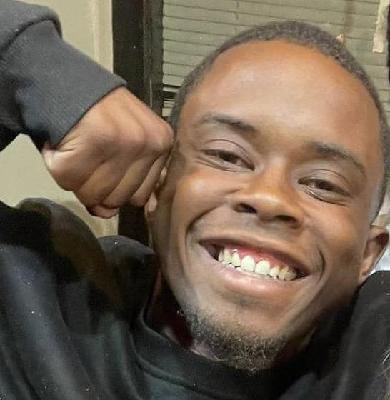
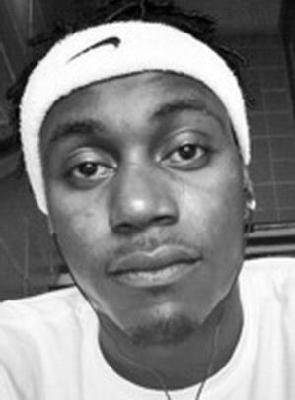
On the night of December 5, 2021, 32-year-old Diego Rodrigo Arias Santana, a male worker from Mexico living in Myrtle Beach, South Carolina, moved through the familiar stretch of Waccamaw Boulevard without any way of knowing his life was in its final hours. He had come to the United States on a work visa, part of the unseen workforce that keeps the resort town running even in the colder months, when the beachfront is quieter and the bright lights of hotels and motels glow over mostly empty
parking lots. In the early hours of that Sunday, gunfire shattered the calm, and police were called to a report of a shooting in the Waccamaw Boulevard area on the inland side of Myrtle Beach.
When officers arrived, they found Diego wounded and slumped partly inside his vehicle, a single gunshot having torn through the windshield and into his chest. Emergency responders could do nothing to reverse what had happened; he died from his injuries there in Horry County, becoming one of the many names later recorded on national gun-violence rolls for that date and place. The immediate investigation closed off the area around the road as detectives tried to piece together how a man who had come to the Grand Strand to work and send money home had ended up dying in his car. Authorities were quick to reassure residents and visitors that there was no broader threat to the community and that no one else had been hurt, signaling that this was not a random attack but a confrontation that had turned deadly in seconds.
In the days that followed, Diego's identity and background emerged in local reports and funeral notices. The coroner's office publicly confirmed his name and noted that he was in the area legally for employment, underscoring that he had been part of the temporary migrant labor stream that underpins much of the coastal economy. An obituary posted by the funeral home that handled arrangements in Myrtle Beach described him as being connected not only to South Carolina but also to Tuskasegee, North Carolina, with a memorial service planned back in his home country so that grieving relatives there could say goodbye. For those who lit digital candles in his memory on national remembrance sites, he was not simply a case number from a roadside shooting but a son, friend, and worker whose life had been cut short far from the place where he was born.
The turning point in the investigation came the following month. On January 12, 2022, Horry County police announced the arrest of 22-year-old Tyshiem Nayquan Connor in connection with the killing. He was charged with voluntary manslaughter, a charge that acknowledges a killing prosecutors allege was intentional but tied to a sudden, volatile confrontation rather than a calculated plan. According to a police report summarized in local news coverage, Diego and Connor had been involved in a physical altercation shortly before the shooting. As Diego tried to get away in his vehicle, investigators say Connor stepped in front of the car and fired once through the windshield, the round striking Diego in the chest and leaving him collapsed half in and half out of the driver's seat when officers arrived.
Public records compiled by a national gun-violence database list Diego as the sole victim in the incident and Connor as the subject-suspect, noting that the shooting occurred on Waccamaw Boulevard and that the suspect was arrested rather than injured at the scene. Jail and booking information from Horry County show a man with Connor's name booked in January 2022 on a voluntary manslaughter charge with a substantial bond, aligning with the timeline of the arrest reported in the news. Subsequent booking logs from the same county list someone with the same name facing traffic-related offenses in later years, suggesting that Connor has remained within the orbit of the local criminal justice system, though those later arrests concern driving violations rather than new allegations of violence.
While the arrest brought some measure of procedural progress, there is little publicly accessible information about what has happened in court since the voluntary manslaughter charge was filed. News reports and memorial listings stop after noting Connor's incarceration at the J. Reuben Long Detention Center, where he was initially held without bail, and the gun-violence databases simply record the case as a completed homicide incident with one victim and one arrested suspect. No open sources currently detail a trial, plea, or final sentence. That silence leaves a gap at the end of Diego's story: investigators named a suspect and brought charges, but for those who cared about him, justice remains something tracked not in headlines about a verdict, but in the quieter act of remembering a man who came to work along the South Carolina coast and never made it back home.