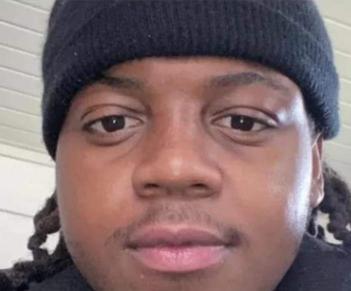
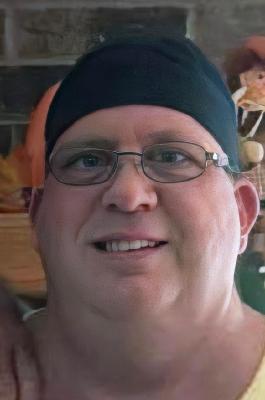
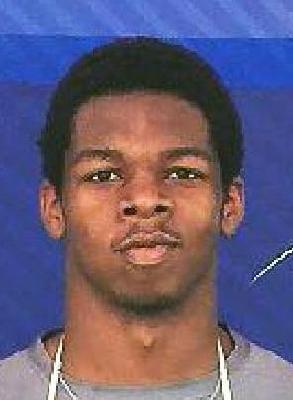
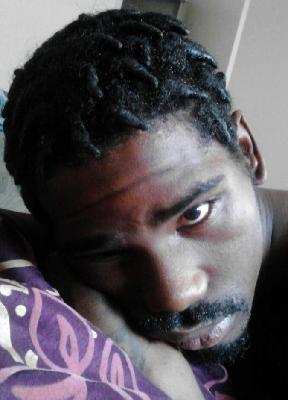
On the afternoon of November 20, 2018, Myikeem Jamaal Harvey, a 26-year-old Black man from the Augusta, Georgia area, was seated in a car outside the North Augusta Gardens Apartments on West Hugh Street in North Augusta, South Carolina. It was just after 4 p.m. when gunfire shattered what should have been an ordinary day. Residents later described a chaotic scene in the parking lot as shots rang out and people rushed outside, trying to understand what had happened and who had been hurt.
When first responders arrived, they found Harvey still in the vehicle, suffering from multiple gunshot wounds. He was pronounced dead at the scene, his life ending in the same car where moments earlier he had simply been sitting.
The investigation began immediately. The Aiken County coroner’s office, led by Chief Deputy Coroner Daryl Ables, confirmed that Harvey had been shot several times while seated in the vehicle in the apartment parking lot, and that the killing appeared to be a targeted shooting rather than an accident. The crime drew in multiple agencies: the North Augusta Department of Public Safety responded to the scene, and the South Carolina Law Enforcement Division joined the case, signaling how seriously authorities were treating the homicide. Even in the early hours, officials did not publicly discuss a motive, leaving neighbors and family to piece together their own fearful theories about why someone would open fire on a man sitting in his car.
Before the day was over, investigators had identified and arrested a suspect. Authorities took 22-year-old Pheolian Neal Jr. of North Augusta into custody in connection with Harvey’s killing and transported him to jail. Local jail records show Neal was booked into custody by the North Augusta Department of Public Safety that evening on a hold for that agency, reflecting that investigators considered him directly tied to the deadly shooting in the apartment parking lot. At the time, officials did not release any public information about a possible motive, and they did not offer detailed charges in early news reports beyond confirming that Neal’s arrest was connected to Harvey’s death. Available online records list a hold and an open disposition but do not clearly document what specific homicide charges were ultimately filed.
In the days that followed, Harvey’s family and friends turned their attention from the shock of the crime to the rituals of saying goodbye. Obituaries and funeral notices described him by his full name, Myikeem Jamaal Harvey, and noted that he “entered into rest” on Tuesday, November 20, 2018. Services were scheduled for a week later at B.A. Williams Memorial Chapel in Augusta, with burial at Walker Memorial Park, cementing his ties to the community across the river in Georgia. Guestbook entries and condolences painted a picture of a young man who was deeply loved: relatives wrote about his smile, his ability to make people laugh, and the pain of losing him so suddenly. One tribute spoke of his “baby girls,” emphasizing that he left behind young children who would now grow up with memories and stories instead of their father’s presence.
Online memorials added more layers to that portrait. On national gun-violence remembrance sites, Harvey’s name appears among those lost to shootings on November 20, 2018, listed as a 26-year-old killed in North Augusta, South Carolina. Visitors lit virtual candles and shared brief memories, some mentioning his humor and the way he could lift others’ spirits. These small acts of remembrance, scattered across obituary pages and memorial websites, underline how his death echoed beyond a single crime scene, affecting a wide circle of family, friends, and community members on both sides of the Savannah River.
Publicly accessible news coverage and online records, however, grow sparse after the initial arrest. While it is clear that Pheolian Neal Jr. was quickly identified as the suspect, taken into custody, and held in connection with Harvey’s killing, there is little readily available information online about subsequent court proceedings, such as indictments, trial dates, plea agreements, or any final verdict. The absence of detailed follow-up reporting leaves an incomplete official narrative: a young father shot multiple times while seated in his car, a suspect arrested within hours, and then a silence in the public record where answers about justice, motive, and resolution might otherwise be. For Harvey’s loved ones, the formal process of the courts may have continued largely out of the spotlight, but the impact of that November afternoon has remained, carried in the memories, grief, and tributes that keep his name alive.