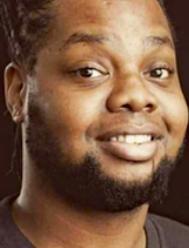
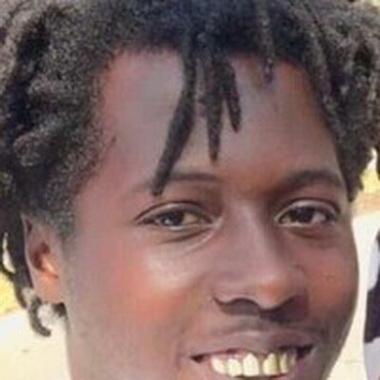
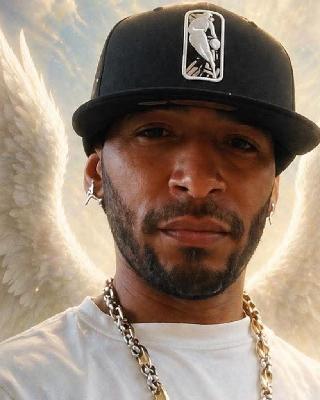
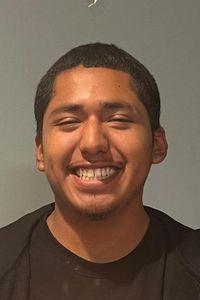
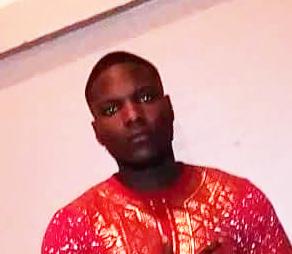
On an October evening in 2019, Clifford Harrison Jr., a 22-year-old man from the Charleston area, was in the West Ashley section of the city when the quiet of the Ponderosa subdivision was shattered by gunfire. Deputies with the Charleston County Sheriff’s Office were called around 7 p.m. to the 700 block of Hitching Post Road, where they found him lying in a yard, unconscious and suffering from a gunshot wound.
He was rushed to the Medical University of South Carolina for emergency treatment, but later that night, at 10:28 p.m., he was pronounced dead and the shooting was officially classified as a homicide.
In the days that followed, Harrison’s death was marked not just in police reports but in obituaries and online memorials. Funeral notices listed his birth in February 1997 and his passing on October 22, 2019, anchoring his life between those two dates with a brief line that he had “entered into eternal rest” in North Charleston. On the National Gun Violence Memorial site, people lit virtual candles, shared nicknames they knew him by, and noted his ties to North Charleston High School, where he had been connected to the basketball program. They remembered a young man whose life revolved around family, friends, and the familiar neighborhoods of Charleston before it was cut short by a single violent moment.
For months after the shooting, the case remained under investigation, with little made public beyond basic details: the address on Hitching Post Road, the fact that the victim had been found outside in a yard, and the confirmation that investigators were treating the incident as a criminal killing rather than an accident or self-inflicted wound. The absence of immediate arrests weighed heavily on Harrison’s family and the community, who had no clear picture of who might have targeted him or why.
A breakthrough came in early 2020. In February, the Charleston County Sheriff’s Office announced that 20-year-old Marquell Myers had been taken into custody. He was charged with murder and with possession of a firearm during the commission of a violent crime in connection with the shooting on Hitching Post Road, and authorities said the U.S. Marshals Task Force had assisted in tracking him down. The charges suggested investigators believed Harrison’s killing was not random, but they did not publicly lay out a detailed motive, leaving the broader “why” of the case still largely unanswered.
About a month later, in March 2020, deputies arrested another young man, 20-year-old Zarmell Polite. According to reports from that time, he too was charged with murder and possession of a firearm during the commission of a violent crime for the fatal shooting along Hitching Post Road. When deputies attempted to take him into custody, the encounter escalated, and additional charges were filed: assault while resisting arrest and threatening the life of a public official. With two defendants now facing serious accusations, the case moved from the investigative phase toward the courts, and Harrison’s family finally had names and faces attached to the allegations.
Years passed between the night of the shooting and the eventual trial, part of a broader pattern in the local court system where some defendants spent extended periods in jail awaiting their day in court. When the case of the State of South Carolina v. Azrmell Polite and Marquell Myers finally reached a courtroom, prosecutors laid out their version of events: that the two men had come to the West Ashley home where Harrison was and that they were responsible for the gunfire that ended his life. The state’s main witness was Harrison’s mother, who took the stand and told the court she had seen two men with dreadlocks outside before the shots rang out and that they fled in a red car into the night.
Despite the emotional weight of her testimony and the seriousness of the charges, the trial did not end the way Harrison’s family had hoped. According to the published summary of the case, the judge returned a verdict of not guilty for both Polite and Myers on the murder charges. With that decision, the two men walked free of legal responsibility for Harrison’s death, and the homicide that had once seemed on the verge of resolution slipped back into uncertainty. Publicly available records and news reports do not show any subsequent convictions for anyone else in connection with the killing, leaving the case effectively unresolved from a justice standpoint even after arrests, charges, and a full trial.
Today, what remains are fragments: the police call to a quiet subdivision at dusk, the rush to the hospital that could not save him, the years-long court process that ended without a murder conviction, and online memorials where candles continue to be lit in Harrison’s name. For the people who knew him, the story is not just about legal outcomes but about a young life that ended in a yard on Hitching Post Road, and about a family still carrying the weight of a loss that the justice system has never fully resolved.