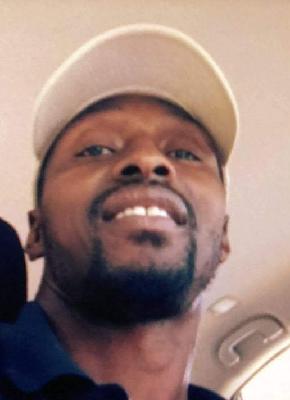
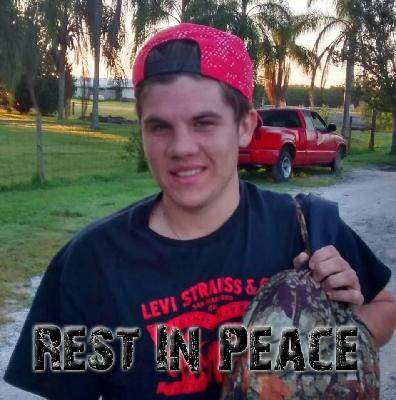
On a late March evening in 2020, William Moody, a 31-year-old Black man from Bamberg, South Carolina, was caught up in violence that unfolded along Cherry Road in the small Barnwell County town of Snelling. Deputies from the Barnwell County Sheriff’s Office were called out after reports of gunfire, and when first responders arrived, they found Moody suffering from a gunshot wound.
He was rushed to the Bamberg Barnwell Emergency Medical Clinic, but despite efforts to save him, he was pronounced dead that Friday night, and authorities quickly announced they were treating the case as a homicide.
News of his death filtered through official statements and then onto memorial pages, where the bare facts of the case stood in stark contrast to the person his family knew. Public records and tributes identified him by name and age, and placed his final moments in Barnwell County, a rural community where the roads are lined with modest homes and wooded lots. On one memorial site, relatives and friends added small details that spoke to his life rather than his death, remembering him affectionately as “Will,” describing him as “cool,” and noting that he was a father, the sort of man whose absence would ripple through a large and close-knit family.
In the immediate aftermath, investigators from the sheriff’s office and the county coroner’s office began piecing together what had happened on Cherry Road that night. They publicly confirmed Moody’s identity and the basic circumstances of the shooting, but they did not release information about witnesses, a possible motive, or any description of who might have pulled the trigger. The available coverage from that period focuses almost entirely on the fact of the homicide itself: a 31-year-old man found shot, transported to a nearby clinic, and his death officially classified as a killing under investigation.
As time has passed, that initial snapshot of the case has remained largely unchanged in the public record. Memorial listings still describe Moody simply as someone “lost to gun violence” in Barnwell, linking back to the same early news reports without adding any resolution or mention of a suspect. Local and regional news archives do not show follow-up stories announcing an arrest, naming a suspect, or outlining charges, trials, or convictions connected to the shooting, suggesting that if the investigation has moved forward, those developments have not been reported publicly.
What remains, then, is a brief, stark narrative: a quiet road in a small South Carolina town, a sudden eruption of gunfire, and the loss of a man whose life is now preserved mainly in family memories and online tributes. The official language of the case reduces it to a date, a location, and the word “homicide,” but behind those few lines is a family left with unanswered questions, a community marked by yet another act of senseless violence, and an investigation that, at least in the public eye, has yet to bring anyone to account for William Moody’s death.