In the quiet community of Rock Hill, South Carolina, Dr. Robert Lesslie, a 70-year-old male, was a beloved physician, author, and active member of his church. For decades, he had served the area, founding an urgent care center and writing a weekly medical column. He and his wife of over 40 years, Barbara, had built a life centered on family, faith, and service, raising four children and doting on their grandchildren.
Their home was a place of peace, where they enjoyed their farm animals and the company of their loved ones.
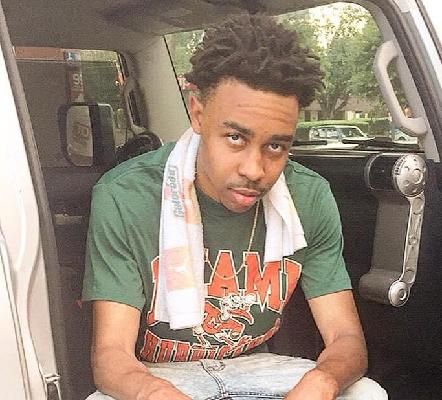
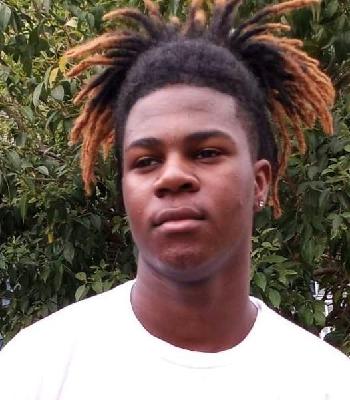
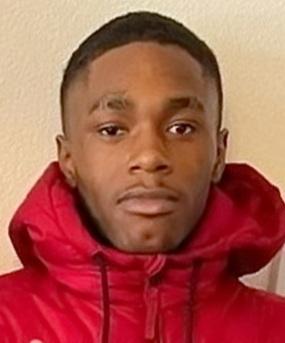
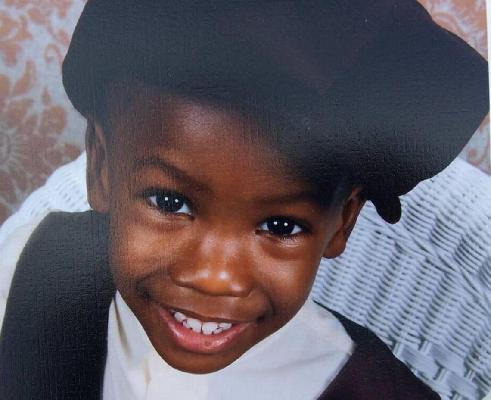
This peace was shattered on the afternoon of April 7, 2021. A former NFL player, Phillip Adams, who lived nearby, went to the Lesslie's property armed with two guns. He first encountered two air conditioning technicians, James Lewis, 38, and Robert Shook, 38, who were working outside the home. Adams shot both men before entering the house. Inside, he fatally shot Dr. Lesslie, his 69-year-old wife Barbara, and their two young grandchildren who were in their care, 9-year-old Adah and 5-year-old Noah. James Lewis died at the scene, and Robert Shook succumbed to his injuries days later in the hospital.
After the horrific attack, Adams fled to his parents' home located a short distance away. Law enforcement, using evidence left at the crime scene, quickly identified Adams as the suspect and surrounded the residence. Following a standoff that lasted for hours, officers found Adams inside, dead from a self-inflicted gunshot wound.
In the aftermath of the tragedy, no clear motive for the senseless violence was ever established. Investigators could find no significant connection between Adams and the Lesslie family, other than that they were neighbors. Adams' family spoke of his escalating mental health struggles in the years leading up to the shooting. An autopsy later revealed that Adams suffered from an unusually severe case of Stage II chronic traumatic encephalopathy a degenerative brain disease caused by repeated head trauma, likely from his football career. While it does not provide a definitive reason, the diagnosis offered a potential context for his uncharacteristically violent actions. The Lesslie family, in a statement released through the sheriff's office, spoke of their grief but also expressed that their 'hearts are bent toward forgiveness and peace.'