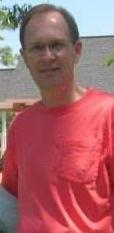
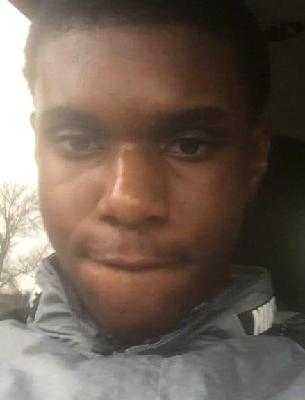
Branden A. Harshaw Sr., a 34-year-old Black man, spent the late hours of May 31 rolling toward the all-night Waffle House that sits along Highway 501 near El Bethel Road in Conway, South Carolina. In life he was remembered by loved ones as funny and outgoing, someone who loved to gamble, always seemed happy, and adored his seven children “beyond measure.”
On that particular night, beneath the fluorescent lights and clatter of dishes, the small roadside restaurant would become the center of a tragedy that rippled far beyond its parking lot.
In the early morning hours of June 1, 2021, a confrontation unfolded inside the Waffle House. Around 2:30 a.m., according to investigators and the deputy coroner, a disturbance broke out while customers and staff were still moving between the booths and the counter. Later, authorities would say that it began when a customer refused to leave after being asked, turning a routine request from staff into a tense and growing dispute. Outside, an SUV sat in the lot; witnesses would later see it towed away as evidence while crime scene tape went up and officers documented shattered glass from at least one broken window. Amid the chaos, Horry County Deputy Coroner Tamara Willard would identify the victim as Harshaw of Conway and confirm that he had been gravely wounded and rushed to Conway Medical Center, where he was pronounced dead around 3 a.m. from his injuries.
Investigators quickly focused on a single suspect: Chancey Rashon Deval Hickman of Loris. Arrest warrants later described how Hickman had been told to leave the restaurant but refused, sparking a verbal argument that spilled over into a physical struggle. In the midst of that struggle, Hickman drew a gun and shot Harshaw, an act authorities characterized as occurring in a “sudden heat of passion” and without legal justification. Patrol cars and detectives flooded the scene, and the neon Waffle House sign glowed above an impromptu crime scene where shell casings, broken glass, and abandoned plates of food marked the abrupt end of an ordinary late-night shift.
Within hours, Hickman was charged with voluntary manslaughter rather than murder, a distinction that drew public attention and questions. Horry County Solicitor Jimmy Richardson explained that the evidence, as investigators understood it, pointed to a killing in the midst of a fight or shocking event rather than one carried out with malice or premeditation, which is what South Carolina law requires to sustain a murder charge. At a bond hearing soon after the shooting, a judge set Hickman’s bond at $50,000 and ordered that if released he would be confined to house arrest with an ankle monitor, conditions that allowed him to leave jail on home detention while the case worked its way slowly through the court system. Outside the legal filings, the restaurant became a focal point for grief; a sign near the entrance read, “We’re going to miss you Branden,” a simple message from those who had known him in life and now had to process the fact that he would not be coming back through the doors.
For nearly two years, the case moved through the system, with the voluntary manslaughter charge remaining in place as prosecutors, defense attorneys, and the court weighed witness statements and the law. In May 2023, Hickman stood before a judge and pleaded guilty to manslaughter for the shooting at the Conway Waffle House. The court imposed a 15-year sentence, but under South Carolina’s sentencing structure it was suspended to five years of active prison time followed by five years of probation, meaning that part of the term would hang over him as a condition of his behavior after release. He was allowed to self-report to J. Reuben Long Detention Center, surrendering there at the end of May 2023 to begin serving the active portion of his sentence, formally closing the criminal phase of the case even as the emotional fallout continued for those who had lost a son, father, and friend.
Long after the police tape came down and the restaurant reopened, Harshaw’s absence continued to be felt in quieter spaces: online memorial pages where candles are lit in his name, messages from people remembering late-night games and shared laughs, and notes that speak of the seven children who now grow up with stories and photographs instead of his physical presence. At the Waffle House where it happened, cars still pull in at all hours for coffee and breakfast, but for those who know the story, the place will always carry the memory of a June night when an argument spun fatally out of control and a family, and a community, were forced to reckon with the enduring consequences of a single pull of a trigger.