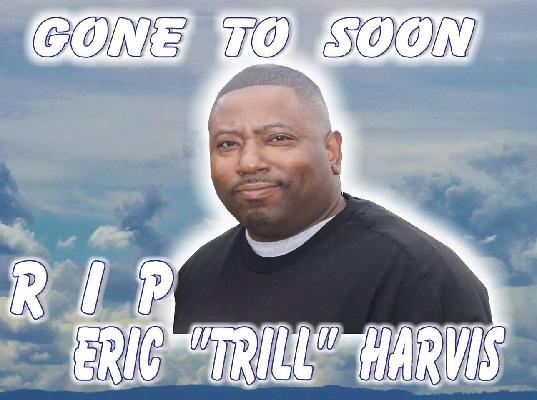
Ricky Darnell Hayes, a 56-year-old resident of Oakland, California, was shot and killed on February 15, 2017, in an incident that highlighted the continued struggle with gun violence in the city. Hayes' homicide occurred amidst a broader pattern of violence that year, which saw Oakland record 71 homicides, part of an ongoing trend of fluctuating violent crime rates in the city. This incident was one of several killings that particularly affected East Oakland neighborhoods, which have historically been characterized by high poverty rates and disproportionately impacted by violence.
The investigation into Ricky Darnell Hayes' death faced challenges similar to many others in Oakland, where witnesses often remain reluctant to come forward, making it difficult for authorities to make quick progress in solving cases. This reluctance, coupled with a broader mistrust between the community and law enforcement, has made gathering substantial evidence a challenge in numerous cases across Oakland. Like many other victims' families, the relatives of Hayes have been left with few answers regarding why the crime happened or who was responsible, contributing to the pervasive frustration and grief among those affected by such violence.
The broader context of Hayes' death fits into a troubling picture of community violence that disproportionately affects marginalized neighborhoods. Advocacy groups like the Love Not Blood Campaign have been focusing on cases like Hayes', striving to unite affected families and demand justice. They provide support services, including legal consultations and mental health support, in an effort to bring awareness to these cases and push for systemic changes to deter crime and increase community safety. The broader goal for these advocates is to see increased investments in social programs and community safety initiatives that would help prevent such senseless acts of violence in the future.