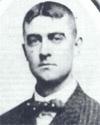
In the quiet farm country of late July 1906, a manhunt for an Army deserter would end in the tragic death of a dedicated lawman. City Marshal William C. Manis of Richland, Missouri, a male, met his untimely end on July 27th of that year. His final moments played out in a hayfield, a few miles north of Richland in the neighboring Camden County, a place that would become the backdrop for a desperate struggle between duty and defiance.
The object of Marshal Manis's pursuit was a young man
named James C. Pritchett, who had recently deserted from the military. An official request for Pritchett's arrest had been sent to the Richland marshal, and Manis, diligent in his role, located and apprehended the deserter. The journey back to town, however, would prove to be a fatal one for the lawman. In a decision that would have grim consequences, Manis handcuffed Pritchett to himself. This act, likely intended to secure his prisoner, instead created a perilous proximity that Pritchett would exploit.
As they walked, a struggle ensued. Pritchett, described as a hefty individual, managed to overpower the marshal, striking him and causing him to fall. In the chaos of the moment, Pritchett gained control of Manis's revolver. A young woman, Miss Cora Newberry, who was passing by, witnessed the terrifying scene unfold. She heard Manis cry out, 'This boy is going to kill me,' a desperate plea for help that came seconds before a single shot rang out. Pritchett fired the weapon, striking Marshal Manis in the head and ending his life. The marshal's nephew, Fred Manes, who was nearby, heard the shot, and upon investigating, discovered the tragic scene of his uncle's demise.
The search for the escaped killer was swift. Armed citizens joined the manhunt, and a United States Deputy Marshal was dispatched with a bloodhound to aid in the search. Pritchett was eventually captured and stood trial for the murder of Marshal Manis. His first trial resulted in a hung jury. However, a second jury in August of 1907 found him guilty of second-degree murder. Pritchett was sentenced to the Missouri State Penitentiary, but his time behind bars would be cut short when his sentence was commuted on May 8, 1914. The case left a lasting legal precedent regarding the authority of a civil officer to arrest a military deserter.