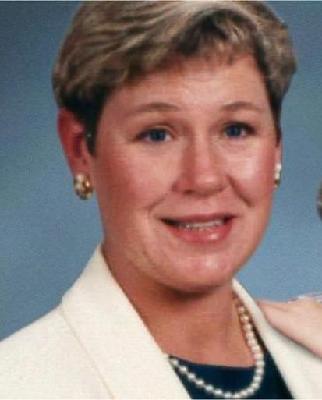
In the quiet farming community of Portageville, Missouri, a horrific crime shattered the peace on March 28, 1998. Sherri Scherer, a 38-year-old mother, and her 12-year-old daughter, Megan, were found murdered in their rural home. The discovery was made by Sherri's husband and son when they returned that evening. Sherri was found face down, having been bound, gagged, and shot in the back of the head.
Her daughter, Megan, had also been shot and sexually assaulted.
The initial investigation produced few leads. A partial DNA profile was developed from evidence at the scene, but at the time, technology was not advanced enough for a definitive match. The case remained cold for years, a persistent source of fear and unanswered questions for the small community. Investigators diligently followed up on numerous leads and the case was even featured on 'America's Most Wanted,' but the killer remained elusive.
A significant breakthrough came in 2006 with advancements in DNA testing. The evidence from the Scherer murders was resubmitted to a crime lab, and a full suspect DNA profile was developed. This profile was entered into the Combined DNA Index System which resulted in a match to the 1990 murder of Genevieve Zitricki in Greenville, South Carolina. This link transformed the case into a multi-state investigation. Over the years, the same DNA profile would be linked to other violent crimes, including a 1997 rape of a 14-year-old in Memphis, Tennessee.
The final piece of the puzzle fell into place in 2018 when investigators utilized genetic genealogy. Parabon NanoLabs was able to use the DNA evidence to identify a probable suspect: Robert Eugene Brashers. Investigators then gathered DNA samples from Brashers' surviving family members, and the results strongly indicated he was the perpetrator. To confirm, Brashers' remains were exhumed in September 2018, and a direct DNA comparison confirmed he was the killer.
It was discovered that Brashers was a serial killer and rapist responsible for a string of violent crimes across multiple states. His reign of terror ended not with an arrest, but with his own hand. In January 1999, during a standoff with police at a Missouri motel for an unrelated crime, Robert Eugene Brashers took his own life. Though he never faced a trial for the murders of Sherri and Megan Scherer, the advancement of forensic science ultimately brought a resolution to the case, identifying the man responsible for the brutal crime that had haunted a community for two decades.