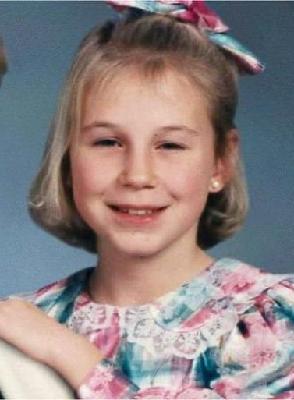
In the quiet farming community of Portageville, Missouri, a horrific crime shattered the peace on March 28, 1998. Twelve-year-old Megan Scherer and her 38-year-old mother, Sherri, were discovered in their rural home by their husband and father, Tony Scherer, and son and brother, Steven. Both mother and daughter had been shot and killed. The scene was one of unimaginable violence; Sherri was found facedown, bound, and gagged, having been shot in the back of the head.
Tragically, Megan had also been sexually assaulted before her life was taken. The brutality of the crime left the small town in shock and a family forever broken.
For years, the double homicide remained a painful cold case, a constant source of unanswered questions for the Scherer family and the community. Investigators collected evidence, including DNA, from the scene, but technology at the time only yielded a partial profile of the suspect. Despite numerous interviews and hundreds of leads pursued by law enforcement, the trail to the killer grew cold. The case was even featured on 'America's Most Wanted' in an effort to generate new information, but the perpetrator remained elusive.
A significant breakthrough came in 2006 with advancements in DNA testing. Evidence from the Scherer murders was resubmitted to the Missouri State Highway Patrol's Crime Laboratory, resulting in the development of a full suspect DNA profile. When entered into the Combined DNA Index System the profile matched the DNA from the 1990 murder of Genevieve Zitricki in Greenville, South Carolina. This link between the two unsolved murders revitalized the investigation and sent detectives from Missouri, South Carolina, and Tennessee in pursuit of a serial killer.
It wasn't until 2018 that the identity of the man responsible for the heinous crimes was finally confirmed. Through the use of investigative genetic genealogy, the killer was identified as Robert Eugene Brashers, a man with a violent criminal history. By the time he was identified as the suspect in the Scherer and Zitricki murders, Brashers was already dead. In 1999, he took his own life during a standoff with police at a Missouri motel for an unrelated crime. To be certain, authorities exhumed Brashers' remains, and DNA testing confirmed a perfect match to the evidence found at the Scherer crime scene. The resolution of the case, though it could not erase the pain of the past, finally brought a measure of justice to the family of Megan Scherer.