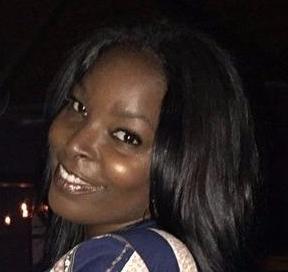
In the summer of 2018, the life of 28-year-old Brittanie Broyles was tragically cut short in Kansas City, Missouri, a consequence of her unwitting association with a sprawling methamphetamine trafficking ring. Her death on August 8, 2018, was not an isolated incident but the grim culmination of a series of violent events that began days earlier. Broyles had been with an associate, James Hampton, in St.
Louis when members of the drug trafficking organization, led by Trevor Scott Sparks, seized Hampton. Believing Hampton could lead them to stolen drugs and money, they brutally beat him. Brittanie Broyles, a witness to this assault, was then taken along with Hampton to Kansas City.
Once in Kansas City, Broyles found herself in a perilous situation. She managed to secretly send text messages to family and friends, pleading for help, but her captors discovered her attempts to communicate. In response, Sparks directed his co-conspirators to move her between different locations, thwarting any potential rescue efforts. Two days after Hampton's charred remains were discovered in a burned-out car in Bates City, Missouri, Brittanie Broyles's body was found near the Super Flea market in the Northeast area of Kansas City. She had been shot twice in the head. Authorities concluded she was killed because she had witnessed the abduction and beating of Hampton.
The subsequent investigation into the murders of Broyles and Hampton unraveled a significant drug-trafficking conspiracy that distributed vast quantities of methamphetamine across Missouri. The leader of this criminal enterprise, Trevor Scott Sparks, was arrested in December 2018. While not directly charged with her murder, at his sentencing, the court found that evidence implicated Sparks in ordering Broyles's killing. Two of his associates, Gerald Lee Ginnings and Markus Michael A. Patterson, were identified as being responsible for carrying out the murder.
The legal proceedings brought a measure of justice for the victims. Trevor Scott Sparks was convicted by a federal jury for leading the criminal enterprise and in September 2023 was sentenced to life in prison without the possibility of parole. Gerald Lee Ginnings and Markus Michael A. Patterson also faced significant legal consequences, with both pleading guilty to their roles in the drug-trafficking operation and their involvement in the murders. Ginnings was sentenced to 520 months in federal prison, and Patterson received a sentence of 560 months for their crimes. In total, 32 co-defendants in the sprawling case pleaded guilty to their various roles in the criminal organization.