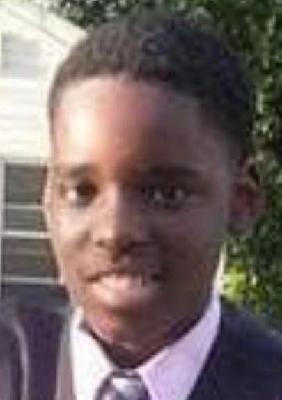
In the Walnut Park West neighborhood of St. Louis, a sense of unease lingered on the 6000 block of Schulte Avenue, a street that had seen more than its share of sorrow. It was on a Wednesday evening in the fall of 2019 that this disquiet would deepen. Inside a home on that block, 19-year-old Cartrell Amos, a young man described as fun, funny, and a good person to be around, was with a 14-year-old companion.
The normalcy of their evening was shattered when their worlds were violently upended.
Around 8:25 p.m. on October 23rd, the sound of gunfire pierced the night. When police arrived at the scene, they found a tragic tableau. Cartrell Amos was discovered near the back door of the residence, having been fatally shot. The younger teen was also found inside the house, suffering from multiple gunshot wounds. He was rushed to a local hospital in critical condition but survived the brutal attack. The incident was later described as a home invasion, a violent intrusion that claimed one young life and forever altered another.
In the immediate aftermath, the St. Louis police began their investigation, but the leads were scarce. No suspects were immediately identified, and no arrests were made, leaving a grieving family and a shaken community without answers. Cartrell Amos was a Black male, and his death added to a grim statistic for that particular stretch of Schulte Avenue, where multiple homicides of Black individuals over the years remained unsolved. His father, Carlos Amos, was left to wonder why his son was killed, a question that would echo unanswered through the years.
As time moved on, the investigation into Cartrell Amos's murder remained open but yielded no resolution. The initial plea for information from the public did not lead to a breakthrough in the case. Years after his death, Cartrell's homicide is still considered an unsolved case, one of many in St. Louis that leave families waiting for a justice that seems perpetually out of reach. The story of his death serves as a somber reminder of a life cut short and the enduring pain of a family left with only memories and the lingering question of who was responsible and why.