Crime Solvers Central
298 Cases Solved. Advancing justice for missing persons, unsolved homicides, unidentified and unclaimed remains.

Case Description

Any updates on this case? Let us know!
Summary based on the NamUs case record (MP123464) and 18 other sources
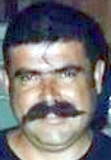
Jordan Gonzales, a 34-year-old man from Salt Lake City, Utah, has been missing since March 12, 2024. He is considered an at-risk individual due to his traumatic brain injury and partial visual impairment. This condition, resulting from a prior accident, has raised concerns about his ability to navigate safely on his own. Gonzales also has distinct facial tattoos, including one above his right eye that reads "Kilani," which makes him more recognizable.

Despite being last seen on March 12, the case wasn't officially reported until mid-April, after family members became increasingly concerned about his whereabouts. The delay has complicated efforts to trace his movements or gather leads. Law enforcement has released his description and driver’s license photo in hopes of obtaining information from the public.

Gonzales is approximately 5’5” tall, weighs 170 pounds, and has brown hair and eyes. His family has been actively seeking assistance, even launching a fundraising campaign to hire a private investigator to aid in the search efforts. The Salt Lake City Police Department continues to ask anyone with information to come forward, as his family remains desperate for any news regarding his disappearance.

Last Seen: Mar 12, 2024

Possible Unidentified Matches (1)

Unidentified remains cases whose details are consistent with this person, ranked by how closely they compare. Fields that are unknown in either case are left out of the score.

79%Possible
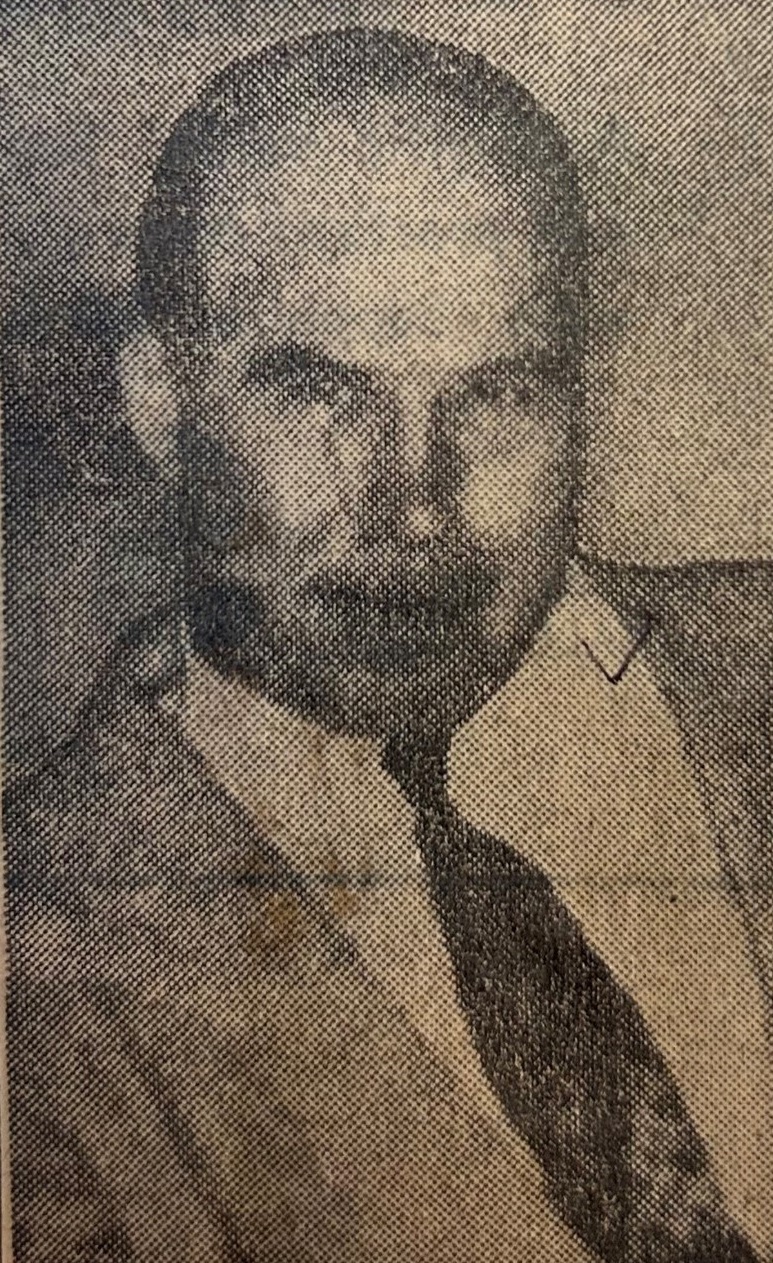
John Doe — Rural Salt Lake, Utah
UP133558 • Found Oct 15, 2024
View case
Sex ✓Male
Age 100%Est. 28–42 vs 34
Race 100%White
Location 100%Same area, same county
TimingFound 7 months after last seen

These comparisons are generated automatically from public NamUs case data and are not confirmed identifications. Only DNA, dental or fingerprint comparison by investigators can confirm an identity. If you believe two cases are connected, contact the agency handling the unidentified case.