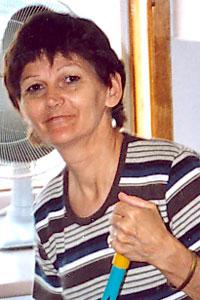
In the autumn of 2003, the community of Salaberry-de-Valleyfield, Quebec, was unknowingly marking the final known hours of one of its residents. On October 19, 67-year-old Jeanne-D'Arc Asselin, a woman navigating the challenges of recent health setbacks, went about her day. She had made plans to visit her boyfriend but, for reasons that remain her own, she telephoned to cancel. Later, she was seen at a local convenience store purchasing beer. This seemingly ordinary act would become the last confirmed sighting of Jeanne-D'Arc Asselin. After leaving the store, she vanished, leaving behind a void of information and the beginning of a long and painful mystery for those who knew her. At the time of her disappearance, she was described as being 5 feet 2 inches tall, weighing 110 pounds, with grey hair and brown eyes.
She was possibly wearing a turquoise coat with dark stripes and pants.
Jeanne-D'Arc's disappearance was particularly concerning due to her vulnerable state. In the time leading up to that October day, she had suffered a stroke and was experiencing memory loss and confusion. These health issues added a layer of urgency and worry to her case, suggesting she may have been disoriented or in need of medical attention. This context transforms her last known actions from simple errands into something more fraught with potential peril. The Sûreté du Québec, the provincial police force, was notified and opened an investigation into her disappearance, classifying her as an endangered missing person. They issued a public appeal for information, hoping that someone might have seen something, a small detail that could illuminate the path she took after leaving the convenience store.
Despite the efforts of law enforcement, the case of Jeanne-D'Arc Asselin has grown cold over the years, with few details emerging since she was last seen. The investigation has been hampered by a lack of substantial leads, and her whereabouts remain unknown. Her case is a quiet tragedy, a story of a woman who, while grappling with her own health challenges, seemingly stepped out of her life and into the unknown. The overview of her case is one of a sudden and unexplained disappearance of a vulnerable individual. The initial plans for a visit, the last-minute cancellation, and the final sighting at a convenience store are the only fragments of a narrative that has no ending. The lack of further information has left her case unresolved, a lingering question in the Salaberry-de-Valleyfield community and a testament to the silent anguish that surrounds long-term missing persons cases.Last Seen: Oct 19, 2003