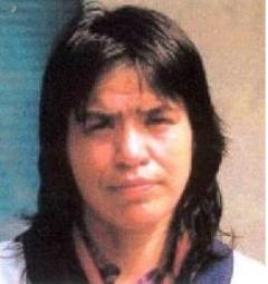
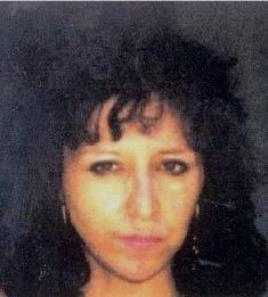
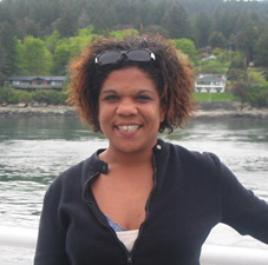
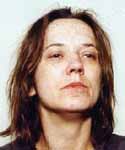
In the early spring of 1995, a 27-year-old woman named Catherine Louise Gonzalez vanished from the streets of Vancouver, British Columbia. She was last seen in March of that year, a detail that marks the beginning of a long and sorrowful mystery for her family. Originally from Timmins, Ontario, Catherine had made her way to the West Coast, where she found herself living a vulnerable existence. At the time of her disappearance, she was receiving welfare assistance and was known to be a sex trade worker in the Downtown Eastside, a neighborhood that would later become infamous as the hunting ground of a serial killer. Catherine was described as a white female with long, light brown hair and blue eyes, standing at 5'5" and weighing around 120 pounds, with a slim build. She had distinctive scars on her right forearm, her cheek, and her back.
The details surrounding what she was wearing or any personal items she may have had with her on that last day are unknown, adding to the distressing lack of information about her final movements.
It wasn't until February 7, 1996, nearly a year after she was last seen, that Catherine's brother, David Gonzalez, officially reported her as a missing person to the Vancouver Police Department. Over the following years, communication between the family and the police was sporadic, with contact noted in 1996 and 1998 before ceasing for a period. This lack of consistent communication caused the family a great deal of distress, particularly as media attention on the growing number of missing women from the Downtown Eastside intensified. Catherine's disappearance was not an isolated event; she was one of many women, a significant number of whom were of aboriginal descent, who were transient, often estranged from their families, and battling addiction and mental health issues, making them tragically easy targets. The investigation into these disappearances was later criticized as being "half-hearted and understaffed" in its early stages.
Catherine's case is part of one of the largest criminal investigations in British Columbia's history, which examines the disappearances of at least 50 women from the Downtown Eastside, with the majority vanishing after 1995. A joint RCMP-Vancouver police task force was eventually formed to investigate these cases. A dedication to Catherine simply reads, "Forever Young. Forever Missed," a poignant tribute to a life cut short and a family left without answers. Her name is included on a poster of missing women, a somber reminder of the many who vanished without a trace from the same area. The overview of Catherine's case is a heartbreaking narrative of a young woman living on the fringes of society who disappeared without a trace. The delay in her being reported missing, coupled with the initial slow response to the disappearances of many vulnerable women from the same area, highlights a tragic period in Vancouver's history. Her case, like many others, remains unsolved, a cold file that speaks to the immense challenge of investigating serial predation and the profound loss experienced by the families of the missing.Last Seen: Mar 1, 1995