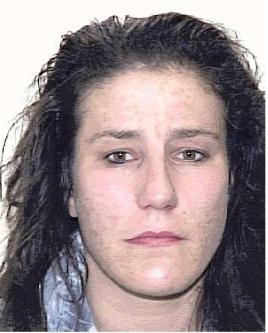
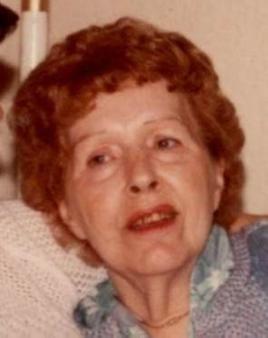
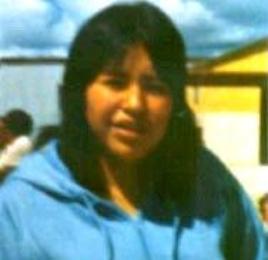
In the winter of 1992, a 40-year-old woman named Elsie Sebastien was seen for the last time in Vancouver, British Columbia. A member of the Pacheedaht First Nation, Elsie was a mother who, in happier times, would dance around the house with her daughter to the music of Kenny Rogers. Her life, however, carried the weight of personal struggles, including the experience of being sent to a residential school as a child. As a teenager, she lived with a family in Shawnigan Lake, B.C. and became a mother at 16, her son being raised by extended family. Later in life, Elsie found herself in Vancouver's Downtown Eastside, where she battled addictions. Her family recalls her maintaining contact through phone calls until the summer of 1992, after which all communication ceased.
Elsie's daughter, AnnMarie Livingston, remembers the last time she saw her mother in either 1990 or 1991, just before her own high school graduation, visiting her in an apartment.
Another memory from a family member recalls seeing Elsie in 1992 at a house at the University of British Columbia. According to this account, Elsie, appearing to need a fix, made a phone call and was picked up by a man who looked "rough". Despite the family's pleas for her to stay, she left with the individual and was never seen or heard from again. At the time of her disappearance, Elsie was described as being 5'6" and weighing 131 pounds, with black hair and brown eyes.
The family's journey to find answers was fraught with difficulty and frustration. They attempted to file a missing persons report as early as 1993 but felt their concerns were dismissed by the Vancouver police. An official report was not formally filed until 2001, nearly a decade after she vanished. This struggle and the perceived inaction by law enforcement became a point of contention and was later highlighted during the B.C. missing women's inquiry, which examined the systemic bias toward missing women from the Downtown Eastside. Over the years, the investigation into Elsie's disappearance was handled by numerous investigators, leading to a lack of consistent contact for the family. For a time, it was considered that Elsie could have been a victim of serial killer Robert Pickton, but no evidence or DNA found on his farm could be linked to her. Elsie Sebastien's case remains an unsolved disappearance, a story of a cherished mother and a family left waiting for decades, emblematic of the broader tragedy of missing and murdered Indigenous women.Last Seen: Jan 1, 1992