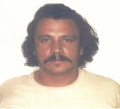
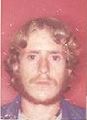
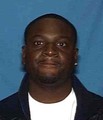
On November 22, 1985, David Kenneth Tyll, a 27-year-old married machinist from St. Clair Shores, Michigan, embarked on what was supposed to be a weekend deer hunting trip with his close childhood friend, Brian Ognjan. The two men left in Tyll's black 1980 Ford Bronco, telling their families they were headed to Tyll's family cabin in White Cloud, Michigan. However, they never arrived at their intended destination, nor did they purchase hunting licenses. Instead, their journey took them to the area of Mio, in Oscoda County, about 190 miles north of their homes. The friends were seen in various bars and diners in the Mio area over the weekend, and the last unconfirmed sighting involved them cashing a check. When Monday, November 25th, arrived and neither David nor Brian showed up for their respective jobs, their families knew something was terribly wrong, as it was uncharacteristic for them to be unreliable.
Their disappearance triggered a years-long mystery that would haunt their loved ones and investigators for decades.
The initial investigation into the disappearance of David and Brian yielded few clues, leaving their families in a state of agonizing uncertainty. Law enforcement and family members distributed flyers and sought help from the media, but for years, the case went cold with no significant leads. Despite extensive searches of forests, lakes, and trails, no trace of the two men or David's Ford Bronco was ever found. Over time, rumors began to circulate within the small community of Mio, centering on two local brothers, Raymond 'J.R.' and Donald 'Coco' Duvall, who were known for their violent tendencies. There were whispers that the brothers had bragged about killing the two hunters, but without physical evidence or a willing witness, the claims remained secondhand and insufficient to press charges. The case remained stagnant for nearly two decades, a painful open wound for the families left behind with no answers.
The break in the case finally came in the late 1990s when a Michigan State Police detective reopened the investigation and connected with a woman who had been too afraid to come forward years earlier. Her eyewitness testimony provided the crucial link investigators needed. She recounted seeing the Duvall brothers brutally beat David Tyll and Brian Ognjan to death outside a local establishment known as Linker's Lounge on the night they disappeared. According to her testimony, the violent assault included the use of an aluminum baseball bat. In May 2003, nearly 18 years after the men vanished, Raymond and Donald Duvall were arrested and charged with their murders. Despite the fact that the bodies of David and Brian, as well as the Bronco, have never been recovered, the brothers were convicted of two counts of first-degree murder in October 2003 and sentenced to life in prison. The prosecution's case was built heavily on circumstantial evidence and witness statements, some of whom heard the brothers boast about feeding the men's bodies to pigs. While the convictions brought a sense of legal closure, the case remains a haunting Michigan mystery, a narrative of a planned weekend getaway that ended in a brutal, senseless act of violence, leaving a permanent void for the families who were never able to bring their loved ones home for a final rest.
David Kenneth Tyll was a 27-year-old male from St. Clair Shores, Michigan, when he was last seen on November 22, 1985, leaving for what was supposed to be a weekend deer-hunting trip in northern Michigan. He was with his close childhood friend, Brian George Ognjan, also 27, and the two men planned to travel to Tyll’s family cabin near White Cloud, Michigan, on Base Line Road. Public missing-person records describe David as a white male, 6 feet 2 inches tall, weighing about 175 pounds, with brown hair, green eyes, and a beard at the time he disappeared. He and Brian left in David’s black 1980 Ford Bronco, which carried Michigan license plate 447 HRZ. They never arrived at the cabin, and they never purchased hunting licenses, turning what began as an ordinary trip between longtime friends into one of Michigan’s most painful and long-running missing-person cases.
The last publicly reported unconfirmed sighting placed David and Brian in the Houghton Lake or Mio area on the day they vanished. The Charley Project states that the men cashed a $50 check and left in Tyll’s Bronco, carrying about $140 between them, but neither the men nor the vehicle were ever found. Court records later described the case as involving two hunters who never returned from a weekend hunting trip in November 1985 in the Mio area of northern Michigan, and stated that they had planned to travel to Tyll’s family cabin and visit a friend, Dennis Gallop, in Mio, but never arrived at either place. The lack of a recovered vehicle, personal effects, or remains left their families with years of uncertainty and left investigators trying to piece together what had happened after the men reached northern Michigan.
For nearly eighteen years, the disappearance remained unresolved, but suspicion eventually centered on brothers Raymond Wilbur “J.R.” Duvall Jr. and Donald Dean “Coco” Duvall. According to The Charley Project, police believed the Duvall brothers killed David and Brian on the night they disappeared, and witnesses later reported seeing the brothers beat the men to death outside Linker’s Lounge in Mio. The same source states that other witnesses had heard the brothers brag about feeding the missing men’s bodies to pigs, and that some people allegedly delayed coming forward because they feared retaliation. The Michigan Court of Appeals summarized the prosecution’s theory as alleging that the Duvall brothers, along with other unidentified individuals, beat the victims to death after an argument; the court also noted that the victims’ bodies, vehicle, and other personal effects were never located.
In May 2003, almost eighteen years after David and Brian disappeared, Raymond and Donald Duvall were arrested in connection with the case. They were later convicted at a joint jury trial of two counts each of first-degree murder. Michigan appellate records state that both men received two concurrent life sentences, and the Court of Appeals affirmed those convictions. The convictions gave the families a measure of legal accountability after years of searching, fear, and unanswered questions, but they did not bring back the missing pieces that mattered most: David and Brian’s remains were still not recovered, and David’s black Ford Bronco was still missing.
The available online sources indicate that David Kenneth Tyll’s disappearance was ultimately treated as a homicide in court, with two men convicted of first-degree murder in connection with the deaths of David and Brian Ognjan. However, the public record reviewed does not state that David’s remains were ever located, and the sources continue to note that the Bronco and the men’s personal effects were never found. What can be said with care is that David Kenneth Tyll, a 27-year-old male, was last seen on November 22, 1985, after leaving St. Clair Shores, Michigan, with Brian Ognjan for a hunting trip that never reached its destination; the men were later believed by investigators and prosecutors to have been killed in the Mio area; Raymond and Donald Duvall were convicted of their murders; and the physical recovery of David, Brian, and the vehicle remains an unresolved and heartbreaking part of the case. The overview of the case is that two lifelong friends left home for a northern Michigan hunting weekend, vanished with their vehicle, became the center of an eighteen-year investigation, and ultimately received justice in court without the full peace of recovery for the families who still never had the chance to bring them home.Last Seen: Nov 22, 1985