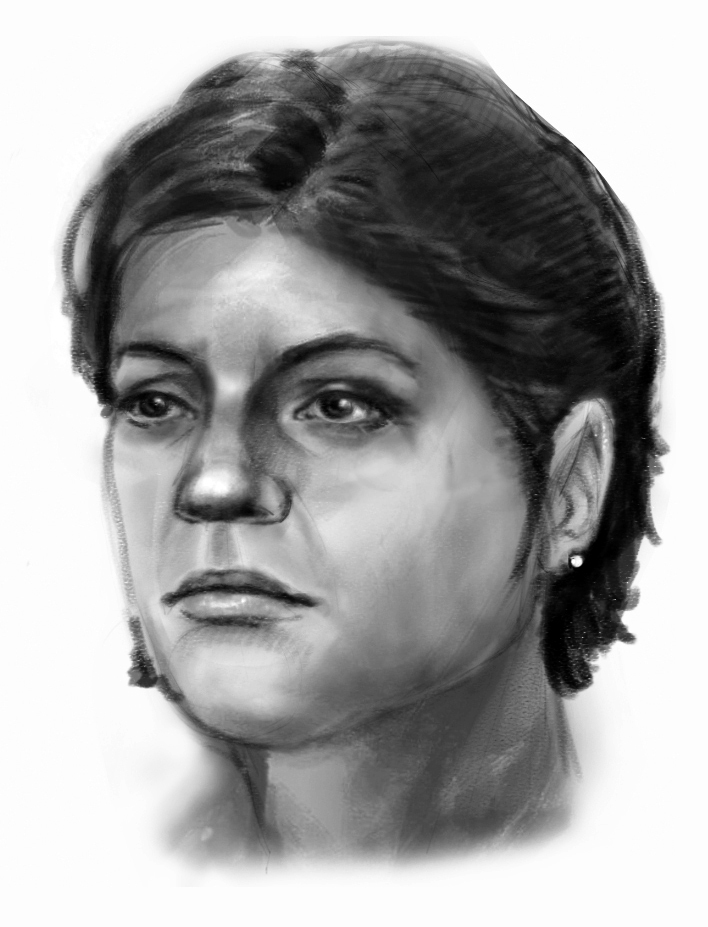
Summary based on the NamUs case record (MP133102)
On November 4, 1985, Catherine Mcmillion, a 58-year-old resident of Seneca Rocks, West Virginia, was caught in a catastrophic flood that would later be recognized as one of the most severe in the state's history. This historic "Election Day" flood was the result of a complex weather system, intensified by moisture from the remnants of Hurricane Juan, which led to prolonged and heavy rainfall over the Appalachian Mountains. The resulting deluge caused rivers to swell to unprecedented levels, with many cresting at record heights and inundating towns and communities across the region. Pendleton and Grant counties were among the hardest-hit areas, suffering the most fatalities from the disaster that ultimately claimed the lives of 47 people in West Virginia.
Amid the chaos of the rapidly rising waters, Catherine sought refuge from the destructive torrent by climbing onto the roof of a house trailer that had been ravaged by the flood.
In a desperate attempt to save herself, she managed to grasp onto a small tree, using her belt to try and secure her hold against the powerful current. Her struggle was a testament to her will to survive in the face of an overwhelming natural disaster. Tragically, the force of the flood-swollen stream proved to be too immense. Catherine lost her grip and was swept away by the turbulent waters.
The flood of November 1985 left a scar on the landscape and the collective memory of West Virginia, causing an estimated $700 million in damages, destroying thousands of homes, and impacting hundreds of businesses. In the wake of the devastation, search and recovery efforts commenced, but the scale of the destruction hampered these operations. Catherine Mcmillion was one of the individuals who was never found. It is believed that she drowned in the floodwaters that tragically cut her life short. Her body has not been located, and she remains one of the enduringly painful losses from a day of immense tragedy for the state.Last Seen: Nov 4, 1985