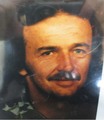
On August 4, 2008, 35-year-old Derrick Ray Henagan was last seen in the vicinity of Newberry, a village in Michigan's Upper Peninsula. At the time, he was residing on North Manistique Lake Road, situated south of the village of McMillan. On the afternoon of his disappearance, around 4:30 p.m., Henagan was seen walking into a wooded area across the road from a neighbor's home. He had made plans to meet his girlfriend at a deer blind in the woods, but he never arrived at the predetermined location. He has not been seen or heard from since that day. The circumstances surrounding his disappearance are considered suspicious.
Prior to his disappearance, Henagan had been involved in an argument with his live-in girlfriend, which resulted in him temporarily staying with a neighbor. In the days leading up to August 4th, he had been making phone calls to friends and family in Hartford, Michigan, his hometown, seeking a ride back. His father had sent him money for a bus ticket to facilitate his return. At the time he went missing, Henagan was wearing a black, size medium, cotton 'Monster' t-shirt with the sleeves cut off and a green 'M' on the front, along with knee-length Nike basketball shorts, white ankle socks, and size 10-11 white Skechers gym shoes. He also wore a silver wedding-band-style ring and small, gold hoop earrings. Henagan has several distinct physical characteristics, including numerous tattoos such as a tribal design on his upper right arm, another tribal design with the words 'Rayce + Dy' on his upper left arm, and a five- to six-inch wizard tattoo on the left side of his back. He has multiple scars from previous injuries, including heavily scarred fingers on his right hand from being severed and reattached.
Despite numerous interviews and searches conducted by the Michigan State Police, Henagan's whereabouts remain unknown. Although he had some outstanding misdemeanor warrants at the time of his disappearance, his family stated that he had always cooperated with law enforcement in the past and would not have gone into hiding. He maintained regular contact with his children, calling his son every night, and his girlfriend was pregnant with their child at the time he vanished. In June 2016, eight years after he was last seen, Derrick Henagan was declared legally dead, and his case was officially ruled a homicide. However, his body has never been recovered, and the investigation into his disappearance remains open. The case is an overview of a man who vanished after walking into the woods to meet a friend, with personal conflicts and travel plans forming the backdrop of his story. The lack of evidence and the subsequent reclassification of his case to a homicide have left his family with unanswered questions.
Derrick Ray Henagan was a 35-year-old male who was last seen on August 4, 2008, in the rural McMillan and Newberry area of Michigan's eastern Upper Peninsula. He was living along North Manistique Lake Road, south of McMillan and west of East Lake, when his life reached a final, unexplained moment in the woods near a neighbor's property. At approximately 4:30 that afternoon, witnesses reportedly saw Derrick walking into the brush across from the neighbor's home. He was supposed to meet his live-in girlfriend at a deer blind or another prearranged place in the woods, but when she arrived, Derrick was not there. He never returned to the residence, never contacted his family, and was never reliably seen again.
In the days before he vanished, Derrick's personal life had been unsettled. He and his girlfriend had been involved in a troubled and sometimes volatile relationship, and an argument had led him to stay temporarily with a nearby neighbor. Derrick did not have a vehicle, and his father had sent him a bus ticket so he could return to his family in the Lower Peninsula. Three days before he disappeared, Derrick reportedly made several telephone calls to relatives and friends around Hartford, Michigan, where he had grown up, asking whether someone could give him a ride home. Those efforts suggested that he was considering leaving the Upper Peninsula, but there is no confirmed evidence that he ever made the journey south.
One early account stated that Derrick left his neighbor's home intending to return to his own residence by cutting through the woods. Another stated that he was walking into the woods to meet his girlfriend. The difference between those accounts became important because neither version led investigators to a confirmed final destination. Derrick was familiar with outdoor activities and enjoyed fishing, camping, sports, and going to the beach, but the forested land surrounding the community was broad and difficult to search. There was no reliable trail showing that he became lost, no clothing or personal property was found in the woods, and no remains were recovered from the area.
Derrick was described as a white man standing approximately 6 feet 1 inch tall and weighing between 170 and 180 pounds. He had short, spiked brown hair, brown eyes, and usually wore a mustache or goatee. He was known by the nicknames De, Hollywood, and Dork. His body bore numerous distinctive features, including heavily scarred and deformed fingers on his right hand after several of them had been severed and surgically reattached. His right thumb was also heavily scarred and deformed, and he had a scar on the lower right side of his torso, a scar several inches long on one shin, bone lumps near his eyebrows, and another lump at the rear of his head.
He also had several identifying tattoos. A tribal design was located on his upper right arm, while another tribal tattoo on his upper left arm contained the words "Rayce + Dy." A large wizard tattoo appeared on the left side of his back. His ears and left nipple were pierced, and he wore small gold hoop-style earrings and a silver ring resembling a wedding band. When he disappeared, Derrick was believed to be wearing a sleeveless black Monster Racing T-shirt with a green "M" emblem, knee-length Nike basketball shorts, white ankle socks, and white Skechers athletic shoes. He apparently did not have his recently obtained prescription glasses with him.
The investigation quickly took on a suspicious character because Derrick had no known reason to abandon his family permanently. He had spent much of his adult life working in automobile sales and was described as someone who had never lived entirely on his own. Although relatives acknowledged that he could become confrontational when drinking and had fought with men in the area, they did not believe he would willingly disappear without contacting them. The bus ticket, telephone calls seeking a ride, and his intention to return downstate all pointed toward plans for the immediate future rather than a deliberate effort to erase his identity.
Questions also arose after two rifles and a bow were reportedly found to be missing from the residence Derrick shared with his girlfriend. The missing weapons were initially reported to police, but the public record has never established that Derrick took them or that they were connected to his disappearance. The girlfriend reported him missing after returning from a trip downstate. Investigators examined her statements and the turbulent history of the relationship, while later witnesses made allegations involving blood, cleaning with bleach, gunshots, and disturbing comments about Derrick's fate. Some of those claims were contradictory, disputed, or made years after he vanished, and none produced enough publicly known evidence to charge anyone with killing him.
One witness told investigators that Derrick's girlfriend had once claimed she paid a large amount of money to have his body disposed of. She acknowledged making remarks of that nature but maintained that she had been sarcastic and denied involvement in his disappearance. Her daughter reportedly told police that she heard gunshots near the home on the day Derrick vanished, but she was the only publicly identified person to make that claim. Investigators also used cadaver dogs to search locations suggested by tipsters, including property connected to people whose names had surfaced in the case. Those searches did not lead to the recovery of Derrick's remains.
Suspicion also extended beyond Derrick's girlfriend. Investigators examined a neighbor who had been with Derrick shortly before he disappeared, and reports stated that the man did not pass a polygraph examination related to the case. He denied harming Derrick. Authorities additionally looked into Derrick's association with another man who was later charged with killing his own girlfriend and burying her remains on his property. The disturbing nature of that separate crime caused police to investigate whether the man could have played a role in Derrick's disappearance, but authorities did not publicly establish a connection or announce that he was responsible.
The conduct of people connected to law enforcement also became part of the controversy surrounding the investigation. A Michigan State Police trooper who took an early report later drew public scrutiny because of alleged personal connections involving people close to the case. Years later, the trooper's daughter described a frightening incident in which she said her father took her into the woods, showed her something disturbing, and threatened her if she spoke about it. Those allegations received renewed attention during an extensive journalistic examination of the case, but they did not result in a publicly announced murder charge or the recovery of Derrick's body. The claims remain part of a complicated collection of suspicions rather than a proven account of what happened.
A woman who initially became involved because Derrick had been released on bond later devoted years to pursuing information about his disappearance. She conducted her own investigation, maintained public attention on the case, and recorded conversations with people she believed might know more than they had told police. Her work helped keep Derrick's name before the public, although some people criticized her methods and disputed information circulated around the case. The competing accusations, rumors, and private investigations created a dense web of possible explanations, but they also made it difficult to separate verifiable evidence from stories repeated over time.
Derrick's family ultimately sought legal recognition that he had died. In 2016, his former wife petitioned a court to have him declared legally deceased so that assistance could be obtained for their son. During the proceeding, a Michigan State Police detective testified that investigators believed Derrick had been killed and described searches conducted with cadaver dogs at locations where informants claimed his body might have been hidden. The court declared Derrick legally dead and directed that a death certificate be issued. His disappearance has since been regarded as a homicide investigation, although his remains have not been recovered and the precise manner, location, and circumstances of his presumed death remain unknown.
Family DNA samples were collected from Derrick's mother and father for comparison with unidentified remains. His identifying information has remained available to law enforcement, and Michigan State Police have continued to receive tips concerning possible burial locations and people who may know what happened. Searches have been conducted in the rugged Upper Peninsula landscape, but none has produced the evidence needed to bring Derrick home. The investigation has also been revisited through detailed public reporting, which examined police documents, witness statements, disputed allegations, and questions about whether early investigative decisions allowed the case to grow colder.
Derrick's disappearance left behind a son, parents, former wife, extended relatives, and friends who were forced to live with an absence that became increasingly difficult to explain as the years passed. He appeared to be preparing to leave an unhappy living situation and return to the part of Michigan where he had family ties. Instead, he walked into the woods near McMillan and vanished between one expected meeting and the next. Every version of his final hours ends without a confirmed witness to what happened after he entered the brush, leaving his loved ones without a body to bury or a complete account of his death.
In overview, Derrick Ray Henagan was last seen walking into the woods near a neighbor's home in the McMillan area on August 4, 2008, after conflict with his girlfriend and while making plans to return to his family downstate. He failed to reach a planned meeting place, never used the bus ticket his father had sent, and never contacted his family again. Investigators pursued suspicions involving his girlfriend, a neighbor, an acquaintance later accused of another murder, and allegations connected to a former state trooper, but no person has been charged with killing Derrick. He was later declared legally deceased, authorities have stated that they believe he was murdered, and his case remains unresolved because his remains have never been found and the person responsible has never been brought to justice.
Last Seen: Aug 04, 2008