Crime Solvers Central
298 Cases Solved. Advancing justice for missing persons, unsolved homicides, unidentified and unclaimed remains.

Case Description

Any updates on this case? Let us know!
Summary based on the NamUs case record (MP7857) and 4 other sources
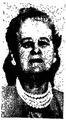
Margaret "Peggy" Reiley, aged 30, was last seen on August 16, 1992, after leaving a bar in Syracuse, New York, in the company of Philip Whaley. She left behind her clothing and identification at her apartment, and did not inform her teenage daughter or her live-in boyfriend of any plans to leave. A few days later, her blue ten-speed bicycle was found in a storage shed at Whaley's mother's home in Pulaski, New York, located 40 miles away.

Whaley initially claimed that they parted ways after leaving the bar, with Reiley riding off on her bicycle. However, after her bike was discovered, he altered his story, claiming that she had asked to be dropped off near her home to meet a drug dealer. Authorities were suspicious of his account, particularly since Reiley’s loved ones insisted she was not involved in drug use. A drop of Reiley’s blood was later found in Whaley’s trailer.

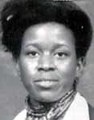
Whaley was eventually convicted of murdering Reiley, as well as another woman, Josephine Chatraw, who had disappeared in 1984. Despite Whaley's conviction, Reiley's body has never been found, and he later confessed to her killing but claimed it was accidental. Whaley remains in prison, and investigators believe her remains may have ended up in a landfill.

Last Seen: Aug 16, 1992

Possible Unidentified Matches (1)

Unidentified remains cases whose details are consistent with this person, ranked by how closely they compare. Fields that are unknown in either case are left out of the score.

75%Possible
Jane Doe — Sodus, New York
UP162450 • Found Oct 16, 2025
View case
Sex ✓Female
Age 100%Est. 35–40 vs 30 when missing
Race 100%White
Location 90%48 mi away, same state
TimingFound 33 years after last seen
Height 100%4'10"–5'2" vs 5'0"

These comparisons are generated automatically from public NamUs case data and are not confirmed identifications. Only DNA, dental or fingerprint comparison by investigators can confirm an identity. If you believe two cases are connected, contact the agency handling the unidentified case.