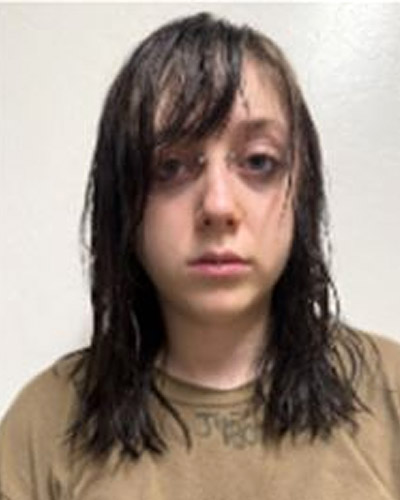
Kay Frances Read, a 62-year-old woman, was last known to be safe on February 14, 2008, in Tucson, Arizona, where she lived alone on the city’s east side in the 7300 block of Marigold Circle. That evening, Kay spent Valentine’s Day with her elderly mother, sharing dinner and watching their usual television programs before returning home. At about 9:42 p.m., she telephoned her mother to let her know she had arrived safely; that call became the last known contact with her.
Kay had lived with the effects of childhood polio for most of her life. She needed leg braces and crutches to walk, had a pronounced curvature of her back, and relied on eyeglasses for distance vision. Despite those physical challenges, she maintained an active and independent life. She worked as a medical records clerk at Palo Verde Hospital, taught Sunday school at St. Paul’s United Methodist Church, and was remembered by relatives as deeply devoted to her family, church and community. Those who knew her described a woman with established routines and responsibilities, making her abrupt disappearance without her essential mobility equipment immediately and profoundly concerning.
The concern began early the following morning, when Kay did not answer the telephone. Her mother routinely called to make sure she was awake for work, and when repeated calls went unanswered, a family member went to Kay’s home to check on her. What was found inside offered no ordinary explanation for her absence. According to the later Arizona Court of Appeals account of the evidence, the security door and front door were closed but unlocked. Kay’s crutches were near the front door, her purse was on the floor, and her eyeglasses and leg braces were still inside the house. A space heater had been overturned and its electrical cord was missing, and a cord was also missing from the kitchen telephone. Kay herself was nowhere in the residence. Her turquoise van and its keys were also gone. For a woman who depended upon braces or crutches to walk, leaving those aids behind was especially alarming, and Tucson police quickly began an extensive search. Investigators canvassed the surrounding area, processed her home and vehicle evidence, and devoted substantial resources to determining what had happened during the relatively short period after her final telephone call.
Events unfolding elsewhere in Tucson that morning provided investigators with a disturbing trail. A security camera recorded a man driving a turquoise van to an ATM and unsuccessfully attempting to use Kay’s bank card. According to the appellate court’s summary of the trial evidence, the same man later approached employees at two auto-parts stores for assistance with the van, at one point referring to it as his girlfriend’s vehicle. After efforts to get the van running were unsuccessful, he purchased a small amount of gasoline from a nearby station. A short time later, an employee saw smoke coming from the turquoise van. Investigators determined that the vehicle belonged to Kay and that gasoline had been poured onto the rear seat and ignited. Inside the burned van, police discovered the missing electrical cord from the overturned space heater in Kay’s home. Earlier reporting placed the vehicle near the Golf Links and Kolb roads area, less than two miles from Kay’s residence. The combination of her unexplained absence, the mobility aids left at home, the attempted use of her financial card and the deliberate burning of her vehicle caused authorities to treat the disappearance as far more than a voluntary departure.
The investigation eventually centered on Luis Armando Vargas. Witnesses and members of his family identified Vargas as the man seen with Kay’s turquoise van, including the man recorded attempting to use her bank card, seeking assistance with the vehicle and purchasing gasoline. Investigators also recovered fingerprints belonging to Vargas from the overturned space heater inside Kay’s home. He was considered a potential suspect during the investigation but was serving prison sentences for unrelated offenses while detectives continued building the case. More than six years after Kay vanished, authorities charged Vargas in connection with her disappearance. At his eventual trial, prosecutors presented the fingerprints, surveillance evidence, eyewitness identifications, evidence concerning Kay’s bank card and van, and the significant connection between the severed space-heater cord in her home and the cord recovered from her burned vehicle. The defense challenged the investigation and disputed the state’s interpretation of the evidence, but the jury convicted Vargas of first-degree murder, second-degree burglary, kidnapping, arson, theft of a means of transportation and theft of a credit card. He received life imprisonment without the possibility of release for the murder conviction, along with additional prison terms for the other offenses. His convictions continued through appellate litigation; after review by the Arizona Supreme Court concerning legal issues raised on appeal, the Arizona Court of Appeals ultimately affirmed the convictions and sentences.
Through the years of uncertainty, Kay’s family and community worked persistently to keep her name before the public. Relatives distributed fliers, appealed directly for information and established a reward, while supporters used billboards and community events to make sure she was not forgotten. Her sister continued speaking publicly about Kay long after the initial searches had ended, and blood drives were organized in her honor, reflecting Kay’s own history of service to others. The absence of her remains has remained an especially painful part of the story. When Vargas was convicted, a prosecutor described that unresolved loss as a profound source of suffering for Kay’s family, because a criminal prosecution could establish legal responsibility without giving those who loved her the ability to bring her home. Kay’s case therefore stands as both a missing-person investigation and a successfully prosecuted no-body homicide: a 62-year-old Tucson woman disappeared after speaking with her mother on the night of February 14, 2008; her indispensable crutches, braces and glasses remained at home; her bank card and van appeared in the possession of another person the following morning; the van was deliberately burned with an object from her home inside it; physical and surveillance evidence ultimately tied Luis Vargas to those events; and a jury convicted him of her murder and the related offenses. Yet the most personal question left by the case has never been answered publicly—where Kay Read was taken after she disappeared—and her family’s long effort to find her remains an enduring part of her story.Last Seen: Feb 14, 2008