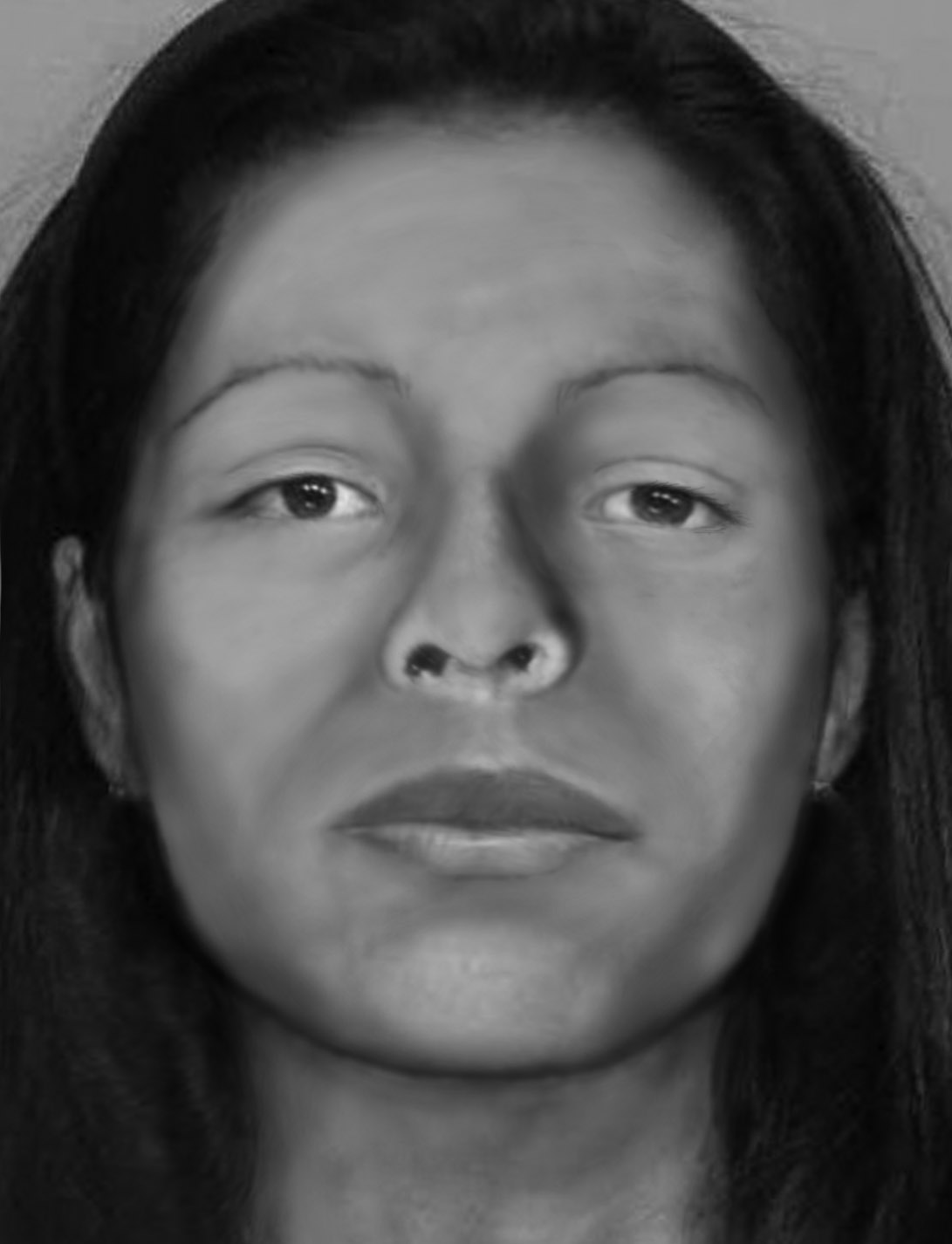
Laurie Allison Smith was 22 years old when she disappeared from Tucson, Arizona, on February 8, 1977. A young woman with brown hair and brown eyes, she commonly went by her middle name, Allison. She was attending Pima Community College at the time and was living in Tucson with her boyfriend, while her family lived in Las Cruces, New Mexico. Published missing-person records describe Laurie as having pierced ears and a distinctive tattoo of Pegasus, the mythical winged horse, on her shoulder.
She wore either eyeglasses or contact lenses and was also known to wear a toe ring on her middle toe. Her dental history included orthodontic work when she was younger, with four bicuspids removed and fillings in several molars, details that later became part of the identifying information preserved in her missing-person record. The circumstances surrounding her disappearance would eventually reveal a troubling situation developing around her life in Tucson, one in which an ordinary college student had become connected to people and activities that placed her in increasingly vulnerable circumstances.
In the period before Laurie vanished, she had become acquainted with her former landlord, Chauncey Lee Mast, who was described in published case accounts as being involved in marijuana trafficking. According to those accounts, Laurie sometimes sold small quantities of marijuana for Mast and, on other occasions, was paid to drive larger amounts to buyers in remote locations. During one such delivery before her disappearance, Laurie reportedly encountered men posing as plainclothes police officers. The men took the marijuana she was carrying, leaving her to return and explain what had happened. Mast was reportedly angry about the loss and said he intended to retaliate against the people responsible. Several months later, events placed Laurie in another potentially dangerous situation. On February 8, Mast reportedly asked her to travel into a remote area to receive a large shipment of marijuana from a supplier. This assignment was different from the deliveries she had previously made because she was being sent to collect a shipment rather than simply transport one. Accounts of that day also note small but memorable details: Laurie, who was normally particular about her appearance, was dressed less carefully than usual and was wearing her eyeglasses instead of her customary contact lenses. Near sunset, she left in a rented blue Ford Maverick. She did not return from the errand.
What Laurie left behind deepened the concern surrounding her disappearance. Her own maroon Karmann Ghia remained at her apartment in the 1400 block of East Blackridge Drive in Tucson, along with her personal possessions. There was no indication in the published case narrative that she had gathered her belongings for a planned departure or prepared to leave her established life behind. For months, however, the rented Ford Maverick she had driven that evening was missing as well. In December 1977, the vehicle was finally located approximately a block from an apartment Laurie had previously rented from Mast. Reports stated that the Ford appeared to have been parked there for months. Investigators found the vehicle's spare tire sitting in the backseat and a single marijuana seed in the trunk. The discovery provided investigators with the vehicle connected to Laurie's final known movements, but the publicly available accounts do not describe evidence from the car establishing precisely what happened to her after she drove away that February evening. The fact that the rented car ultimately appeared so near a place associated with her former landlord became one of the most striking circumstances documented in the case, but proximity alone did not establish who placed the vehicle there or what happened during the hours surrounding Laurie's disappearance.
The background of Chauncey Mast added another troubling dimension to the investigation, although no evidence publicly cited has established that he was responsible for Laurie's disappearance. More than a decade earlier, Mast had been charged in connection with the death of his wife after she was found badly burned inside a vehicle following a fire along an isolated portion of U.S. Route 93 south of Wikieup, Arizona. Prosecutors alleged that the crash and fire had been staged to conceal her killing. Mast was tried three times; two proceedings ended when juries could not reach verdicts, and another ended in a mistrial. Prosecutors ultimately chose not to pursue a fourth trial. Mast later died in Oregon in 2011. The historical allegations surrounding him have consequently drawn attention when Laurie's disappearance is discussed, especially because of his reported drug dealings, the errand Laurie was undertaking when she vanished, and the later location of the rented Ford near an address connected with him. Still, published missing-person accounts make an important distinction: suspicion and troubling circumstances are not proof, and Mast's involvement in Laurie's disappearance was never established.
Laurie's story is especially poignant because so much of her ordinary life can still be seen around the edges of the mystery. She was a 22-year-old college student whose family was across the state line in New Mexico, a young woman remembered as Allison who had recognizable habits, personal belongings, distinctive jewelry, a Pegasus tattoo and people who knew where she should have been. On February 8, 1977, she drove away from Tucson at sunset in a rented blue Ford Maverick on an errand described as involving a remote marijuana pickup, leaving her own car and possessions behind. Months later, the rented vehicle surfaced near a location associated with the former landlord who had reportedly sent her on the trip, yet the public record provides no clear account of what occurred between her departure and the Ford's eventual discovery. The surviving details form a stark sequence: a young woman became entangled in risky drug deliveries, endured an earlier encounter with men impersonating police officers, was later sent to collect a shipment in an isolated area, departed alone in a rented vehicle, and disappeared from the life she had been living. In overview, the case of Laurie Allison Smith is the story of a 22-year-old woman who left Tucson on February 8, 1977, under circumstances that exposed her to considerable danger, leaving behind her possessions and a trail of unanswered questions centered on the journey she undertook that evening and the unexplained return of the vehicle she had been driving.Last Seen: Feb 8, 1977