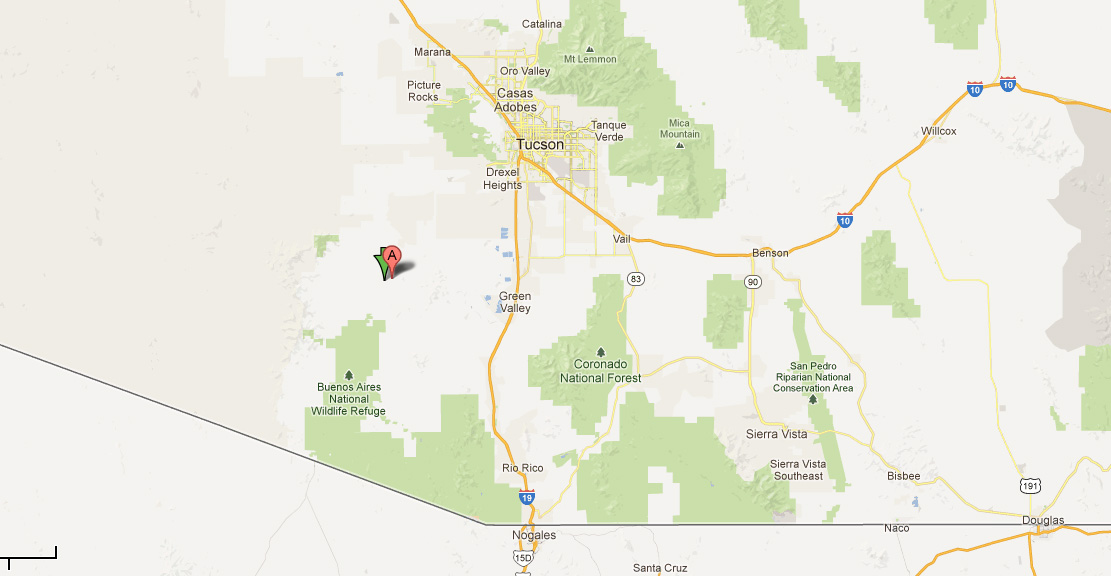
On June 9, 2006, a 50-year-old man named Urbano Tiu Garcia was last seen in the vicinity of Douglas, Arizona, a town nestled on the U.S.-Mexico border. Urbano, a Hispanic male, was at a vulnerable juncture of his life's journey, navigating the perilous landscape of the borderlands. The exact circumstances of his journey remain unclear, but it is known that he was in the process of crossing into the United States.
He was reportedly near a 'Highway 9' in an area that was also close to the New Mexico state line. At the time he vanished, he was wearing a gray T-shirt, blue jeans, and black shoes. Urbano is described as being between 5 feet 2 inches and 5 feet 4 inches tall, with a weight estimated to be between 100 and 300 pounds. One of his distinguishing features is a tattoo of a quetzal bird on his arm. The quetzal is a bird revered in Mesoamerican cultures, often symbolizing freedom and divinity. It is also possible that he was traveling under an alias, 'Raul Santiago,' as he was carrying a Mexican ID bearing that name. Since that day in early summer, there has been no contact with Urbano Garcia, and his whereabouts remain unknown.
The region where Urbano was last seen is known for its harsh and unforgiving environment, a factor that has contributed to the disappearances of many individuals. The Sonoran Desert, which stretches across this part of the border, presents a formidable challenge to those who attempt to traverse it on foot. Extreme temperatures, treacherous terrain, and the vast, sparsely populated landscape can quickly lead to disorientation and peril. The Pima County Medical Examiner's Office, the agency investigating Urbano's case, has the grim task of trying to identify the remains of many who have perished in the desert. Sadly, a large number of these individuals are never identified, leaving their families in a state of perpetual uncertainty. This tragic reality underscores the dangers faced by those who undertake the clandestine journey across the border.
The case of Urbano Tiu Garcia is a poignant example of the ambiguous loss experienced by the families of the missing. With very few details available about the specific events leading to his disappearance, the narrative of his life is left with an unresolved final chapter. The passage of time has not brought any new information to light that could offer closure to those who knew him. His case is one of many that highlight the human side of the complex issues at the border, a story of an individual who vanished while seeking a different future. The investigation into his disappearance remains open, a silent testament to a life interrupted and a family left to wonder what became of Urbano.Last Seen: Jun 9, 2006