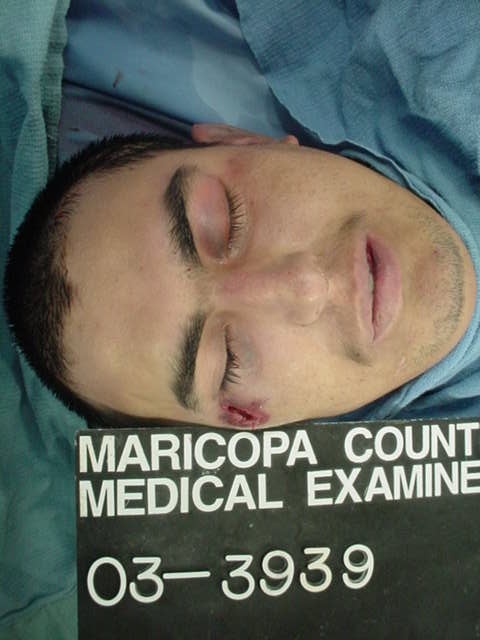
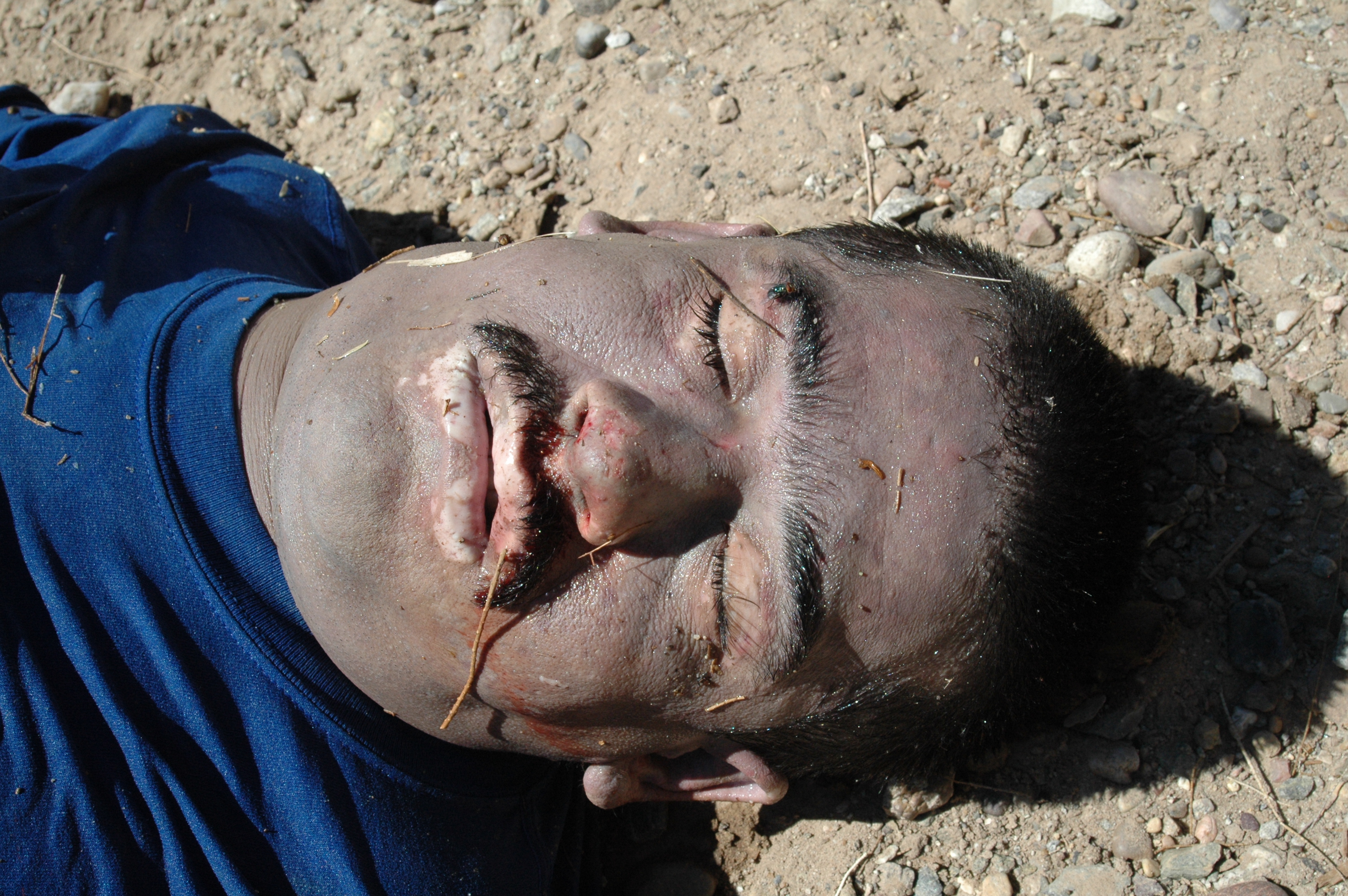
In the vast and often unforgiving landscape of the Arizona-Mexico border, countless stories of hope and desperation unfold daily. One such story is that of Edgar Encinas Machado, a 26-year-old man who vanished on September 20, 2002. Edgar, a Hispanic and White/Caucasian male, was last seen in Douglas, Arizona, a small city in Cochise County that sits directly on the international border.
The circumstances surrounding his disappearance are harrowing; he was in the process of crossing the border from Sonora, Mexico, into the United States when he went missing. At the time, he was wearing green camouflage print pants, a white t-shirt with a yellow sweater, and white Nike shoes. He stood approximately 6 feet tall and weighed around 176 pounds. His family described him as having black, clean-cut hair, a beard, and brown eyes that were slightly slanted.
Edgar was not an anonymous face in the crowd; he was a person with a distinct identity, marked by several tattoos. On his left chest, he wore the name 'Anna,' while an eagle and his own name, 'edgar,' were inked on his back shoulder. A dragon adorned his left foot, and another unknown tattoo was on the side of his calf. These details, along with the sparse information about his last known whereabouts, form the fragments of a puzzle that his family and law enforcement have been trying to piece together for years. The official report was filed with the Maricopa County Sheriff's Office, and his case was entered into the National Missing and Unidentified Persons System on October 21, 2017, well over a decade after he was last seen. DNA samples from his father and two sisters have been submitted and are on file, a testament to a family's enduring hope for answers.
The narrative of Edgar's disappearance is one that is tragically common in border regions, yet uniquely painful for those who are left behind to wait and wonder. The border is a place of transit, a threshold between two worlds, and for many, a place of immense risk. The terrain is harsh, the elements can be unforgiving, and the journey is often fraught with unforeseen dangers. For every person who successfully crosses, there are others whose journeys end in uncertainty. Edgar's case is a stark reminder of the human element behind the complex issues of immigration and border security. It speaks to the universal desire for a better life and the profound risks some are willing to take to achieve it. The investigation into what happened to Edgar Encinas Machado remains open, a quiet but persistent question mark in the desert landscape where he was last seen.Last Seen: Sep 20, 2002